- Warm listening
- Practical steps
- Evidence-based tools
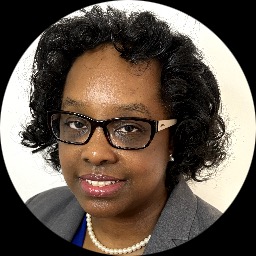
About Aisha
She brings five years of clinical therapy experience to sessions. Aisha uses talk therapy alongside cognitive behavioral ideas to help people notice unhelpful thoughts and try different ways of responding. She also uses play therapy techniques when that approach better fits how a person communicates or processes feelings.
Sessions move at a steady, collaborative pace. Aisha aims to help each person take one clear step toward understanding what’s causing distress. Conversations focus on concrete, manageable changes people can try between sessions.
She pays attention to how medical conditions, caregiving demands, or past losses affect daily life. That means addressing practical coping strategies as well as feelings like guilt, shame, or emptiness.
Aisha invites people who want a thoughtful, down-to-earth therapist to start a process of clearer problem solving and gentler self-understanding. To begin, clients follow the site’s start steps to match and schedule based on availability.
Areas of expertise
Additional focus areas
Experience
5+ years
Credentials
Michigan
Languages
English
How Aisha’s Methods Translate to Online Work
Aisha uses talk-based therapy to help people put words to their worries and practice new responses. This approach focuses on conversation and skill practice to reduce symptoms of anxiety, depression, and stress. Cognitive behavioral ideas help identify unhelpful thinking patterns and test small behavior changes to see what works. That method often helps with mood, worry, and coping with life changes. Play therapy techniques are used when movement, drawing, or other nonverbal ways of expressing feelings are more helpful than straight talk. These techniques can be useful for processing grief, dissociation, or strong emotions.Choosing the right approach is a team effort. The therapist will listen to your main concerns, try a method, and adjust based on how you respond. Aisha discusses goals and preferences so the plan fits your needs rather than imposing a single method.
Confirm the session formats offered before booking, since specific formats were not listed in the biography. Online therapy can make it easier to fit sessions into a busy life - for example, shorter check-ins on a break, sessions without needing travel time, or options that avoid being on camera if that feels better. These practical benefits can help people maintain steady contact with a therapist while juggling caregiving, medical appointments, or work demands.
Frequently asked questions
What concerns does Aisha address?
She works with stress, anxiety, grief, low self-esteem, depression, and coping with life changes. She also focuses on caregiver stress, chronic pain or illness, loneliness, and relationship issues.
How would you describe her therapeutic approach?
Her sessions are conversational and collaborative. She uses talk therapy and cognitive behavioral ideas, and includes play therapy when it fits the person’s communication style.
What kind of experience does she have?
Aisha has five years of clinical therapy experience working with the concerns listed in her profile.
Where is she based and what credentials does she hold?
She practices in Michigan and holds an LMSW, which stands for licensed master social worker.
Which languages are sessions offered in?
Sessions are offered in English.
Can international clients work with her?
She is not currently accepting international clients.
How are sessions paid for and what is the cost structure?
Cost varies with location and therapist availability; sessions use a subscription model that can be canceled at any time.
How do I begin working with this therapist?
Click the Start Therapy button, complete the short matching questionnaire, and schedule sessions according to the therapist’s availability.