- Attachment-informed
- CBT-based tools
- Person-centred care
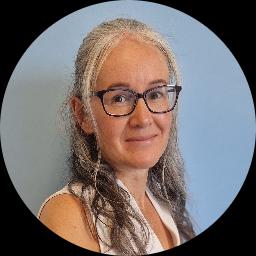
About Barbara
She creates a calm space for people to say what is on their minds. She listens with empathy and responds with compassion. The work is tailored to each person, drawing on different approaches to suit the issue being faced.
Barbara helps with a wide range of common struggles. These include stress, anxiety and panic, low mood or depression, mood swings and anger. She also supports people dealing with trauma and abuse, grief, relationship problems, low self-esteem, addictions and coping with big life changes.
Practical tools are part of her sessions. She teaches strategies to manage anxiety, build confidence, and improve emotional regulation. She works on problem-solving, developing routines that support wellbeing, and making new behavioural choices where needed.
Her work draws on Cognitive Behavioural Therapy, Attachment theory and the person-centred approach. Sessions focus on understanding how thoughts, feelings and behaviours connect, how early relationships shape current patterns, and on finding solutions through supportive dialogue. People are encouraged to notice strengths and use them to move forward.
Barbara follows the British Association for Counselling and Psychotherapy ethical guidelines. She accepts people from the UK and internationally and aims to adapt her approach to each persons goals and circumstances.
Areas of expertise
Also works with
Additional focus areas
Therapeutic approaches
Experience
5+ years
Credentials
BACP · United Kingdom
Languages
English
How her approaches shape online therapy
Barbara uses Cognitive Behavioural Therapy to help people map the links between thoughts, feelings, physical sensations and behaviours. This approach breaks problems into manageable steps and is useful for anxiety, low mood and coping strategies.She also draws on Attachment-informed work to look at how early relationships influence current patterns. That can help when someone struggles with trust, closeness or recurring relationship issues. The person-centred element means she places the persons experience at the centre and listens without judgement as solutions emerge together.
Finding the right approach is part of the therapeutic process. Barbara will work collaboratively to decide which methods fit a persons needs, goals and preferences. That may mean mixing techniques across sessions and adjusting the focus as progress is made.
If you are considering online sessions, check the current session options before booking since the biography does not list specific formats. Online work can make it easier to fit therapy into a busy week, reduce travel time, and allow for shorter check-ins when needed. It can also make it simpler to keep continuity if you move or travel, while still allowing work on emotional regulation, trauma recovery and routine building.
Frequently asked questions
What kinds of concerns does she work with?
She supports people with stress, anxiety, depression, trauma and grief, as well as self-esteem, addictions and relationship difficulties among other issues.
How would you describe her therapeutic style?
Her style is warm and non-judgemental. She listens with empathy and adapts methods to each persons needs.
What is her background and experience?
Barbara has a Masters degree and five years of professional experience as a psychotherapist.
What professional credential does she hold and where is she based?
She is registered with the BACP and practises in the United Kingdom.
Can I work with her if I live outside the UK?
Sessions are offered to international clients as well as people in the UK. Conversations are held in English.
Which session formats are available?
The original biography does not specify session formats; please confirm current session options before booking.
How are sessions paid for and what does it cost?
Cost varies with location and therapist arrangements; sessions use a subscription model that can be cancelled at any time.
How do I begin the process of working with her?
Select the Start Therapy button, complete a short matching questionnaire, and schedule according to the therapists availability.