- Anxiety and depression
- Trauma and caregiving
- Skill building focus
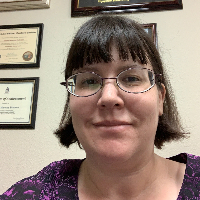
About Bethany
Bethany combines several therapy approaches to match each person's needs. She uses attachment-based ideas to look at how early relationships shape current patterns. She draws on cognitive behavioral techniques to identify unhelpful thoughts and try new behaviors. Dialectical behavior strategies are used when people need tools for intense emotions and interpersonal stress.
Her work is collaborative. She prefers short-term, solution-focused steps when that fits, but will also pace care for deeper trauma work. The goal is to build skills people can use between sessions, like communication tools and coping strategies for big mood swings or caregiving burnout.
Bethany brings experience with issues related to adoption and foster care, abandonment, blended family tensions, first responder stress, and challenges tied to serious illness such as cancer. She also supports people navigating ADHD, bipolar mood patterns, and codependency concerns.
Sessions are offered in English in California. To begin, people use the Start Therapy button, complete a brief matching questionnaire, and then schedule according to availability. Costs vary by location and are managed through a subscription that can be canceled at any time.
Areas of expertise
Primary focus
Also works with
Additional focus areas
Therapeutic approaches
Experience
16+ years
Credentials
California
Languages
English
Therapeutic approaches for online care
Attachment-based work looks at how early bonds affect current relationships and coping. It helps people understand patterns in how they seek closeness, handle conflict, or respond to loss. Cognitive behavioral therapy (CBT) focuses on spotting unhelpful thoughts and testing small behavior changes to reduce anxiety and depression. Dialectical behavior therapy (DBT) teaches concrete skills for managing intense emotions, improving relationships, and tolerating distress.Finding the best approach is a shared process. The therapist will listen to concerns, goals, and daily routines, and then recommend techniques that fit the person. Together they decide whether short-term solution-focused steps or a longer trauma-focused plan makes the most sense.
Confirm the current online session options before booking, as specific formats are not listed here. Online therapy can make it easier to fit sessions into a busy week, allow a shorter check-in when needed, and remove travel time so people can focus on skill practice. It also lets therapists guide coping strategies, communication tools, and behavior experiments that can be tried between meetings to support progress.
Frequently asked questions
What concerns does Bethany focus on?
She supports people facing trauma and abuse, anxiety, depression, grief, parenting stress, relationship and intimacy issues, and caregiver strain among other concerns.
How would you describe her therapy style?
She works in a warm, relaxed, and collaborative manner and aims for practical steps clients can use between sessions.
What kind of experience does she have?
She has 16 years of clinical experience and has worked with issues such as adoption and foster care, first responder stress, and cancer-related challenges.
What are her credentials and where does she practice?
She holds the LMFT credential and practices in California.
Which languages are supported for sessions?
Sessions are offered in English.
Can international clients work with her?
International clients are not currently accepted.
How does billing and cost work?
Cost varies with location and therapist availability, and sessions use a subscription that can be canceled at any time.
What are the steps to begin therapy?
Use the Start Therapy button, complete a short matching questionnaire, and then schedule a session based on the therapist's availability.