- Practical goal focus
- Trauma experience
- Strengths oriented
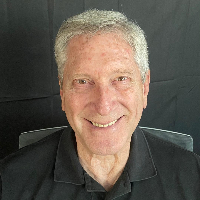
About Brian
He uses a mix of approaches and believes goals should be set together with the person in therapy. Sessions often focus on recognizing strengths, building useful strategies, and tackling one problem at a time. Brian draws on decades of work with different life stages and transitions to help people find a clearer path forward.
His background includes work with trauma, including military and sexual trauma, and with people facing chronic pain and illness. He also has experience helping caregivers manage stress and role changes. Time spent living overseas informs his sensitivity to cultural differences.
In sessions he combines client-centered care with techniques from cognitive behavioral therapy, emotionally-focused work, EMDR, and narrative methods when they fit the person’s goals. He often blends these tools rather than using a single method, and adjusts plans as progress is made.
Brian is comfortable talking about relationship shifts, grief, job or career changes, and parenting challenges. He encourages people to set realistic steps, monitor progress, and build on strengths that already exist. The first step is a short matching process to see if his style fits what the person wants.
Areas of expertise
Primary focus
Also works with
Additional focus areas
Therapeutic approaches
Experience
45+ years
Credentials
California
Languages
English
How Brian’s Approaches Work Online
Client-Centered Therapy focuses on the person’s own goals and perspective. The therapist listens closely, reflects what he hears, and helps the person steer the session toward practical next steps. This approach suits people who want a therapist to follow their lead and build on existing strengths.Cognitive Behavioral Therapy, or CBT, looks at how thoughts and behaviors influence feelings. It uses simple exercises and experiments to change unhelpful patterns, which can help with anxiety, depression, sleep problems, and stress. Emotionally-Focused Therapy, or EFT, helps identify and shift emotional patterns that affect relationships and closeness.
Finding the right approach is part of the work. Brian will talk with the person about goals, try methods that fit, and change course when needed. The choice of techniques is collaborative and guided by what helps the person make measurable progress.
Confirm current session options before booking so you know how sessions will be delivered. Online work can make it easier to fit therapy into a busy schedule, reduce travel time, and allow shorter check-ins when that better fits the day. Discuss practical needs during the initial matching and scheduling so the format aligns with daily life and goals.
Frequently asked questions
What concerns does he commonly address?
He works with concerns such as relationship problems, trauma and abuse, depression, anxiety, stress, grief, parenting challenges, sleep issues, and career or life transitions.
How would you describe his therapeutic style?
His style is collaborative and pragmatic. He helps people set goals together and uses practical strategies to make steady progress.
What kind of experience does he bring?
He brings 45 years of clinical experience, including work with trauma, chronic illness, caregiver stress, and life transitions, and time living overseas that informs cultural awareness.
What are his credentials and region?
He is a Licensed Clinical Social Worker, LCSW, licensed in California and practices there.
Which languages are offered for sessions?
Sessions are offered in English.
Can people outside the U.S. work with him?
He does not accept international clients at this time.
How are costs and payment handled?
Cost varies with location and therapist availability; sessions use a subscription that can be canceled at any time.
What are the steps to begin therapy?
Start by selecting the Start Therapy button, complete a short matching questionnaire, and then schedule according to therapist availability.