- Strength-based approach
- Mindfulness and ACT
- Long-term experience
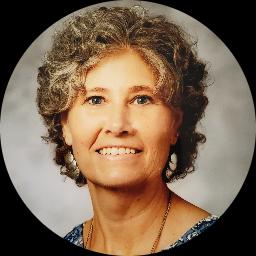
About Carla
She believes people know their own stories and brings that respect into sessions. Carla highlights clients' strengths and helps them use those strengths to move through challenges. Sessions are framed as a collaborative process where the client sets goals and drives decisions.
Clinically, Carla uses approaches such as Acceptance and Commitment Therapy and Cognitive Behavioral Therapy alongside mindfulness and hypnotherapy techniques. She also incorporates Eye Movement Desensitization and Reprocessing when appropriate. Those approaches are used to help with mood, grief, and coping during major life changes.
Carla has worked across many settings over nearly three decades, gaining experience with aging and geriatric concerns, cancer-related issues, and eating or food-related challenges. She also supports people dealing with emptiness, questions of life purpose, money and financial stress, and concerns common to young adults.
Her style is supportive and practical. Sessions tend to focus on small, achievable steps and building confidence. People who want a respectful, strength-based collaborator may find her approach helpful.
Areas of expertise
Additional focus areas
Therapeutic approaches
Experience
27+ years
Credentials
North Carolina
Languages
English
How these approaches translate to online work
Acceptance and Commitment Therapy (ACT) focuses on helping people accept difficult thoughts and feelings while committing to actions that match their values. It is often used for anxiety, depression, and coping with life changes. Cognitive Behavioral Therapy (CBT) looks at the links between thoughts, feelings, and behaviors and teaches practical skills to change unhelpful patterns. It is helpful for mood disorders, anxiety, and self-esteem concerns. Eye Movement Desensitization and Reprocessing (EMDR) is a structured approach used to process distressing memories and reduce their emotional impact, which can help with grief and trauma-related symptoms.Finding the right approach is part of the therapeutic work. The therapist will talk with the client about goals, preferences, and what feels manageable. Together they decide which methods to try first and adjust the plan as progress is made.
Please confirm current session formats before booking, as the biography does not list specific online options. In general, online sessions can make it easier to fit appointments into a busy life, reduce travel time, and allow shorter check-ins when schedules are tight. Therapists and licensed professionals can adapt ACT, CBT, and EMDR-related techniques to remote sessions while focusing on practical skills and real-life steps.
Frequently asked questions
What kinds of concerns does she help with?
Carla helps people address stress, anxiety, depression, low self-esteem, grief, and coping with life changes. She also works with issues related to aging, cancer, eating and food concerns, emptiness, life purpose, money worries, mood disorders, self-love, and young adult issues.
What is her therapeutic style like?
Her style is supportive and practical, emphasizing clients' strengths and small achievable steps. Sessions are collaborative and focused on goals the client chooses.
How much experience does she have?
She has 27 years of professional experience working with a range of mental health and life concerns.
What credential does she hold and where is she based?
She is an LCSW licensed in North Carolina and practices from that state.
Which languages are supported for sessions?
Sessions are offered in English.
Can people from other countries work with her?
She does not accept international clients at this time.
How are fees handled?
Cost varies by location and therapist availability; sessions use a subscription that can be canceled at any time.
How do I begin working with her?
Use the Start Therapy button, complete the short matching questionnaire, and schedule according to therapist availability.