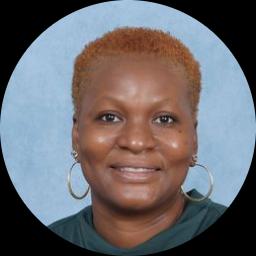
- Client-centered
- CBT informed
- New York based
About Carline
She aims to create a calm space where a person can talk through what feels hardest. Sessions often center on improving self-awareness, building healthier communication, and finding ways to manage intense emotions. Carline pays attention to cultural background and how it shapes experience.
Carline blends client-centered therapy with cognitive behavioral techniques. That means she listens closely and helps identify thought patterns and behaviors that get in the way. Together she and the client try out practical strategies for coping and problem solving.
Her background includes ongoing work with mood disorders, attachment concerns, chronic pain and substance use issues. She draws on eight years of clinical experience to tailor her approach to each person’s needs. The aim is gradual progress rather than quick fixes.
Sessions are offered in English from her New York practice. Prospective clients who want to begin will use the Start Therapy button, complete a brief matching questionnaire, and schedule according to the therapist’s availability. The subscription used for sessions can be canceled at any time.
Areas of expertise
Primary focus
Additional focus areas
Therapeutic approaches
Experience
8+ years
Credentials
New York
Languages
English
How Carline Uses Client-Centered and CBT Approaches Online
Client-centered therapy is built on listening and responding to each person as an individual. The therapist focuses on understanding a person's experience and reflecting that back so they feel heard and clearer about their goals.Cognitive behavioral therapy, or CBT, looks at the links between thoughts, feelings, and actions. It involves identifying unhelpful thinking patterns and practicing small changes to behavior that reduce distress and improve daily functioning.
Finding the right approach is a collaborative process. The therapist will discuss goals, try different techniques, and adjust the plan based on what is helpful. Clients and the therapist decide together whether to emphasize listening, skills practice, or a mix of both.
Confirm current online session options before booking since specific formats are not listed in the biography. Online work can make it easier to fit sessions into busy days, allow shorter check-ins when time is tight, and reduce travel time. It can also let someone keep therapy going during life changes while still focusing on practical steps and coping strategies.
Frequently asked questions
What concerns does this therapist commonly address?
Common areas include stress, anxiety, trauma and abuse, grief, bipolar disorder, and depression. Additional focuses include body image, chronic pain and illness, substance use, and loneliness.
How would you describe the therapist's approach and style?
The approach combines client-centered listening with cognitive behavioral techniques. That means sessions emphasize being heard while also identifying thoughts and behaviors to change.
What is the therapist's professional background?
The clinician has eight years of clinical experience working with mood disorders, attachment concerns, chronic pain, and substance use issues. Experience guides how interventions are chosen.
Where is the therapist licensed and located?
The therapist holds a New York LMHC credential and practices in New York. Sessions are provided from that location.
Which languages are supported for sessions?
Sessions are offered in English. International clients are not currently accepted.
What session formats are available?
The original biography does not list specific session formats. Confirm current session options before booking to know which formats are offered.
How does pricing work for sessions?
Cost varies with location and the therapist's availability. Sessions use a subscription that can be canceled at any time.
How do I begin working with this therapist?
Begin by selecting the Start Therapy button, completing a short matching questionnaire, and scheduling according to the therapist's availability.