- Stress and anxiety
- Grief and loss
- Practical coping
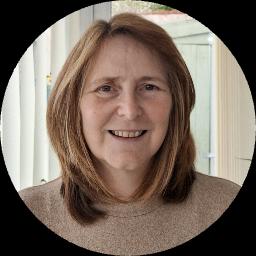
About Carol
Her approach is straightforward and person-centred. She listens first and then helps people find practical ways to manage what feels unmanageable. Sessions often look at thoughts and behaviours that keep problems going, while also paying attention to how attachment and past relationships influence current patterns.
Carol uses a mix of approaches tailored to each person. That can include cognitive behavioural techniques to shift unhelpful thinking, solution-focused steps to build immediate coping moves, and a client-centred attitude that keeps the conversation grounded in the person’s priorities. Motivational interviewing may be brought in when someone wants help finding direction or sparking change.
She has worked with a range of concerns connected to long-term health, caregiving and chronic pain, as well as trauma, sleep problems and compassion fatigue. Carol aims to make sessions practical and clear, with actions people can try between meetings.
People who choose Carol can expect calm, respectful support and a plan shaped around their goals. To begin, she asks a few simple questions so the work can start in a focused way.
Areas of expertise
Primary focus
Also works with
Additional focus areas
Therapeutic approaches
Experience
5+ years
Credentials
NCPS · United Kingdom
Languages
English
How Carol uses therapeutic methods online
Attachment-Based Therapy looks at how early relationships shape current ways of connecting and managing emotion. Online sessions using this approach often focus on recognising patterns and trying new ways of relating that feel safer and more satisfying. Cognitive Behavioural Therapy, or CBT, helps people notice and change unhelpful thoughts and behaviours. This approach is useful for anxiety, sleep problems and low mood, and it often includes short exercises to practise between sessions.Finding the right approach is part of the work. Carol will discuss goals, preferences and what has or hasn't helped before. Together the client and counsellor decide which methods to try and adapt them as progress is made, working at a pace that feels manageable.
Please confirm the current online session options before booking, as formats are not specified in the biography. Many people find online sessions easier to fit around work, caregiving and medical appointments, and they can be useful when travel or mobility are difficult. Others prefer shorter check-ins or telephone conversations when bandwidth or quiet time is limited. The focus is on making therapy fit daily life so people can use what they learn between meetings.
Frequently asked questions
What kinds of problems does Carol focus on?
She works with stress, anxiety, depression, relationship strain, grief, low self-esteem and similar concerns listed in her practice profile.
How would you describe her therapeutic style?
Her style is person-centred and practical, combining listening with clear steps such as cognitive behavioural strategies and solution-focused methods.
What experience does she bring to sessions?
Carol has five years of professional experience working with people on issues like trauma, sleep problems, chronic illness and caregiver stress.
Where is she based and what credential does she hold?
She practises from the United Kingdom and lists NCPS as her credential.
Which languages are supported for sessions?
Sessions are offered in English.
Can people outside the UK work with her?
She accepts international clients, so people outside the UK can enquire about working together.
How much do sessions cost?
Cost varies with location and therapist arrangements; sessions operate via a subscription that can be cancelled at any time.
What is the first step to begin therapy?
Start by selecting the Start Therapy button, complete a short matching questionnaire, and then schedule a session according to the therapist's availability.