- Person-centered care
- Practical goals
- Experienced clinician
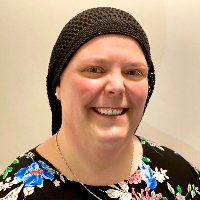
About Chana
She begins by listening closely and creating a calm, nonjudgmental space where clients can say what they need to. Chana uses a person-centered stance to find out what a client wants from therapy and what outcomes feel meaningful. From there she draws on methods that fit each person’s situation and goals.
Over 25 years in counseling has included work with people who experienced severe mental illness, survivors of abuse and neglect, and those facing substance use and eating concerns. That background informs how she handles crises and ongoing care, and how she helps people make changes that last.
Her toolkit includes attachment-based ideas, cognitive-behavioral techniques, dialectical behavior therapy skills, existential conversations about life meaning, and client-centered methods that follow the person’s lead. She adapts strategies rather than applying a single formula.
Sessions focus on clear goals and practical steps clients can use between meetings. Chana aims for clients to notice measurable progress and to leave therapy with a roadmap for their next steps.
Areas of expertise
Primary focus
Also works with
Additional focus areas
Therapeutic approaches
Experience
25+ years
Credentials
Texas
Languages
English
How therapeutic approaches guide online work
Attachment-Based Therapy looks at how early bonds shape current relationships and emotional responses. It can help people who struggle with closeness, abandonment fears, or recurring relationship patterns by exploring those roots and building new ways of relating.Cognitive Behavioral Therapy (CBT) focuses on the link between thoughts, feelings, and behavior. It teaches practical skills to challenge unhelpful thoughts and to build routines that reduce anxiety, improve sleep, and manage mood.
Finding the right approach is part of the work. The therapist collaborates with the client to weigh goals, needs, and comfort. Together they try methods and adjust toward what helps most over time.
If you are considering online therapy, confirm current session options before booking since formats are not listed here. Online work can make it easier to fit sessions into a busy week, reduce travel time, and allow shorter check-ins when needed. Some approaches, like CBT, lend themselves to homework and structured tools that transfer well to remote sessions, while attachment-focused conversations and existential work can also adapt to a virtual setting. Licensed professionals and therapists typically tailor pacing and tools so sessions match everyday life and specific goals.
Frequently asked questions
What kinds of concerns does Chana address?
She works with a wide range of issues including stress, anxiety, depression, trauma and abuse, addictions, relationship and intimacy concerns, grief, caregiver and chronic illness stress, ADHD, and body image problems.
How would you describe her therapeutic style?
She starts from a person-centered stance, listening first and then choosing techniques that match the client’s goals. The work is collaborative and focused on practical steps.
What is her clinical background?
She has 25 years of counseling experience, including work with people from state mental health settings and survivors of abuse and neglect, plus long-term experience with addiction and eating concerns.
What credentials and location are listed?
She holds the LPC credential and practices in Texas.
Which languages are supported for sessions?
Sessions are offered in English.
Can people outside the US work with her?
She does not accept international clients at this time.
How are session costs handled?
Cost varies with location and therapist availability; sessions use a subscription that can be canceled at any time.
What steps are needed to get started?
Use the Start Therapy button, complete a short matching questionnaire, and then schedule according to therapist availability.