- Goal focused
- Affirming care
- Collaborative style
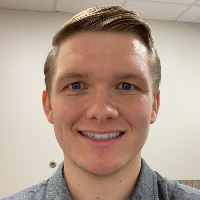
About Christopher
He uses clear, collaborative methods so people can talk through what matters now. Sessions focus on the client’s goals and current life circumstances. Christopher emphasizes building trust and a working relationship before trying new strategies.
His background includes work in a range of clinical settings and coordinating an intensive community mental health program that serves people with severe and persistent mental illness. That work brought experience with many different concerns and life stages, and it informs his steady, problem-solving approach.
Christopher helps people navigate trauma, identity questions, relationship struggles, and changes in career or life roles. He also addresses issues like chronic pain, body image, and intimacy-related concerns, and supports those managing bipolar symptoms, ADHD, or substance use alongside other life stressors.
Clients can expect a mix of talking, skill practice, and goal-setting. The emphasis is on what is working and what can change next, with techniques drawn from mindfulness, acceptance, cognitive work, and emotionally-focused conversation. He invites questions and a straightforward start to beginning therapy.
Areas of expertise
Primary focus
Also works with
Additional focus areas
Therapeutic approaches
Experience
5+ years
Credentials
South Carolina
Languages
English
Approaches that translate to online work
Acceptance and Commitment Therapy (ACT) focuses on clarifying values and taking small actions aligned with what matters most. It often helps people struggling with anxiety, depression, and life transitions by shifting attention toward meaningful goals rather than only symptoms. Client-Centered Therapy centers on listening, empathy, and creating a respectful space so people can find their own solutions; it is useful for identity questions, self-esteem, and relationship concerns. Cognitive Behavioral Therapy (CBT) looks at the link between thoughts, feelings, and behavior and uses practical exercises to change unhelpful patterns, which can be useful for stress, anxiety, and coping with chronic illness.Finding the right approach is part of the therapy process. Christopher will work together with each person to choose which methods fit their needs, goals, and personal style. That collaborative process may combine elements from different approaches as the work evolves.
The therapist biography does not list specific online session formats, so confirm current options before scheduling. Online sessions can make it easier to fit therapy into a busy week, shorten check-ins on high-stress days, or avoid travel time. They also allow continued work during life transitions and can support people managing health challenges who need flexible scheduling.
Frequently asked questions
What concerns does this therapist address?
He works with stress, anxiety, depression, trauma, relationship and family issues, grief, identity and intimacy concerns, chronic pain and illness, ADHD, bipolar symptoms, career stress, and related problems.
What is his general therapy style?
His approach is collaborative and client-centered. He uses practical techniques, mindfulness, acceptance-based work, cognitive strategies, and emotionally-focused conversation tailored to each person.
What experience does he bring to sessions?
He has five years of clinical experience and coordinates an intensive community mental health program, giving him experience with a wide range of concerns and life stages.
What are his credentials and location?
He is a Licensed Independent Social Worker, listed as SC LISW, and is based in South Carolina.
Does he offer sessions in other languages or to international clients?
Sessions are offered in English and he does accept international clients.
Which session formats are available?
The original biography does not specify session formats, so confirm current session options with the service before booking.
How is cost handled?
Cost varies with location and therapist availability and sessions use a subscription that can be canceled at any time.
How do I begin working with him?
Use the Start Therapy button, complete a short matching questionnaire, and schedule according to therapist availability.