- Goal focused
- Trauma informed
- Life transitions
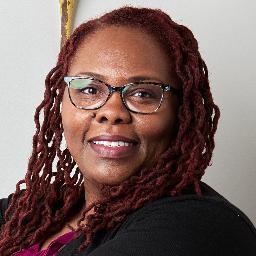
About Cynthia
Her work blends well-known therapy methods with flexible options tailored to each person. Sessions often center on clear goals and steps people can try between meetings. Cynthia pays attention to how a person's relationships, work, and health affect their mood and choices.
Clients can expect direct conversation, collaborative problem solving, and tools to cope in the moment. She encourages small, measurable changes that add up over time. When trauma or painful memories are present, she uses approaches aimed at reducing their hold on current life.
With 14 years of experience, Cynthia draws on a range of methods rather than a single technique. She helps people weigh options and pick strategies that fit their needs and rhythm. Many people come to her when they feel stuck, overwhelmed, or unsure which step to take next.
Her practice is rooted in listening and working alongside each person toward realistic goals. To begin, clients complete a short matching questionnaire and schedule sessions based on availability.
Areas of expertise
Primary focus
Also works with
Additional focus areas
Therapeutic approaches
Experience
14+ years
Credentials
Kentucky
Languages
English
Therapeutic approaches and online work
Client-Centered Therapy focuses on listening and building a trusting relationship so people can find their own solutions; it helps when someone wants a therapist who follows their lead. Cognitive Behavioral Therapy, or CBT, breaks problems into thoughts, feelings, and actions and offers concrete skills to change unhelpful patterns; it often helps with anxiety, depression, and stress. Dialectical Behavior Therapy, DBT, emphasizes emotion regulation, distress tolerance, and clearer communication for intense emotions and relationship struggles.Choosing the right approach is a team effort. The therapist will talk with each person about goals, preferences, and what has or hasn’t worked before. Together they will try methods that fit the client's needs and adjust as progress is made.
Confirm current session options before booking, as specific formats are not listed here. Online therapy can make it easier to fit sessions into a busy week, reduce travel time, and allow check-ins during breaks from work or between appointments. It can also let clients focus on practical skills and homework that apply directly to everyday routines. If needed, the therapist will discuss how to shape sessions so they work with a client's schedule and daily life.
Frequently asked questions
What concerns does Cynthia commonly address?
She supports people with stress, anxiety, depression, trauma and abuse, relationship and intimacy issues, grief, addiction, ADHD, parenting strain, career changes, and coping with health challenges.
What is her general therapy style?
Sessions are collaborative and practical, focusing on clear goals and steps to try between meetings. Conversations are direct and geared toward making everyday life more manageable.
How much clinical experience does she have?
Cynthia has 14 years of clinical experience working with adults on a range of emotional and life stressors.
What credentials and location are listed?
She is a Licensed Clinical Social Worker, LCSW, licensed in Kentucky and practices from that state.
Which languages are sessions offered in?
Sessions are offered in English.
Can international clients work with her?
She does not accept international clients at this time.
How are sessions paid for?
Cost varies with location and therapist availability; sessions use a subscription that can be canceled at any time.
What should I do to get started?
Click the Start Therapy button, complete a short matching questionnaire, and schedule sessions according to the therapist's availability.