- Person-centered approach
- Mood and addiction focus
- Works with caregivers
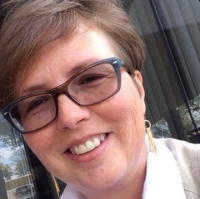
About Cynthia
Her work spans rural and urban settings, hospitals, outpatient clinics, and homeless outreach. She has experience with veterans, caregivers, elder and hospice populations, and LGBTQ clients. Much of her clinical work has involved mood disorders like depression, anxiety, and bipolar disorder, along with trauma-related conditions and substance use challenges.
Cynthia uses straightforward, person-centered methods in sessions. She asks questions, listens closely, and helps people set realistic goals. Together with each client she builds a plan that fits daily life and specific needs rather than offering one-size-fits-all solutions.
She also has practical experience with guardianship matters, advance directives, and durable power of attorney questions. That background can help when health or legal planning intersects with mental health concerns.
Cynthia supports people coping with grief, relationship strain, identity questions, chronic pain or illness, and the stress of caregiving. She encourages active participation in therapy and offers motivation to help clients move toward the changes they want.
Areas of expertise
Primary focus
Also works with
Additional focus areas
Therapeutic approaches
Experience
20+ years
Credentials
Michigan
Languages
English
How Cynthia’s Approaches Translate to Online Work
Cynthia uses client-centered therapy and cognitive behavioral therapy in her practice. Client-centered therapy means she focuses on each person’s goals and listens closely before suggesting next steps; it helps when someone needs acceptance and practical problem-solving. Cognitive behavioral therapy looks at thinking and behavior patterns and helps people try small changes to reduce distress and improve daily functioning.Finding the right approach is part of the process. Cynthia will work collaboratively to figure out which strategies fit a person’s goals and life circumstances. She adapts plans as therapy progresses so the work stays relevant and manageable.
The original profile does not specify which online formats are offered, so confirm current session options before booking. Online sessions can make it easier to fit therapy into a busy week, reduce travel time, and allow for shorter check-ins when schedules require it. They can also help people stay consistent when health, caregiving, or location make in-person visits difficult. Licensed professionals, including therapists, tailor session length and structure to what each person needs rather than offering one fixed format.
Frequently asked questions
What kinds of concerns does she address?
Cynthia helps with stress, anxiety, depression, bipolar disorder, grief, addictions, relationship and intimacy issues, and many related concerns listed on her profile.
How would you describe her therapeutic style?
Her approach is warm, interactive, and collaborative. She encourages participation and works with clients to set concrete goals.
What is her background and experience?
She has 20 years of clinical practice across hospitals, outpatient clinics, homeless outreach, and rural settings, including work with veterans, caregivers, and elder care.
What credentials does she hold and where is she located?
She holds an LMSW, which stands for Licensed Master Social Worker, and is associated with practice in Michigan.
In which languages can sessions be held?
Sessions are offered in English and she accepts international clients.
What session formats are available?
The original profile does not list specific session formats; confirm current session options with the therapist before booking.
How does pricing work?
Cost varies by location and therapist arrangement; sessions use a subscription model that can be canceled at any time.
What are the first steps to begin therapy?
Select the Start Therapy button, complete a short matching questionnaire, and schedule according to therapist availability.