- Client-centered care
- Longstanding experience
- Focus on life changes
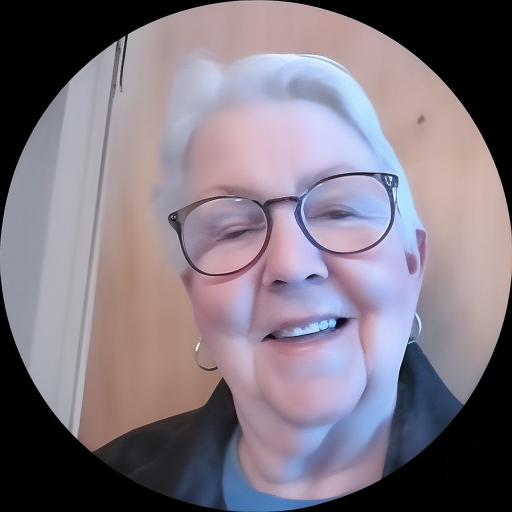
About Diana
Diana helps with stress and anxiety, depression, grief and loss, and issues related to LGBT identity. She also works with concerns such as relationship and intimacy-related issues, trauma and abuse, and bipolar disorder. Her practice includes additional attention to aging and geriatric issues, chronic pain and illness, hospice and end-of-life counseling, personality disorders, and traumatic brain injury.
Her approach centers on Client-Centered Therapy, which means sessions follow the person’s pace and priorities. Diana listens carefully and shapes the dialogue to each person’s needs rather than following a fixed script. Conversations aim to clarify what matters most and to identify small, usable steps forward.
She describes therapy as a partnership that respects each person’s background and values. People can expect sensitivity and compassion along with straightforward guidance. Diana encourages anyone feeling overwhelmed by life changes or losses to consider a conversation about next steps.
To begin, she asks people to share their concerns so she can tailor a plan that fits their situation and goals. The emphasis is on practical, understandable work that people can use between sessions.
Areas of expertise
Primary focus
Also works with
Additional focus areas
Therapeutic approaches
Experience
52+ years
Credentials
Colorado, Nebraska
Languages
English
Client-centered care and online support
Client-Centered Therapy emphasizes listening, respect, and tailoring sessions to the individual. In practice this means the therapist follows the person’s pace, reflects what they say, and helps them set goals that feel meaningful. This approach can help with stress, grief, relationship concerns, mood struggles, and coping with health-related changes.Because the work is collaborative, the therapist and client decide together which methods will be most helpful. Diana will ask about needs, preferences, and goals, then adjust the way she works so sessions feel useful and manageable. Finding the right fit is part of the process rather than a one-time choice.
If you are considering online therapy, confirm the available session options before booking so you know how sessions are offered. Online work can make it easier to fit appointments into a busy week, reduce travel time, and allow shorter check-ins when that is helpful. Talk with the therapist about how to structure sessions around your daily life and priorities so the work supports real changes without overwhelming your routine.
Frequently asked questions
What kinds of concerns does she address?
Diana works with stress, anxiety, depression, grief, LGBT-related issues, relationship and intimacy concerns, trauma and abuse, bipolar disorder, and related challenges.
What is her therapeutic style like?
She uses Client-Centered Therapy, focusing on listening and following the person’s lead to shape the work and goals.
How much experience does she have?
She has 52 years of professional experience providing mental health support in a variety of settings.
What are her credentials and where is she based?
She holds LCSW, CSW, and LIMHP credentials and practices in Colorado.
Which languages are supported?
Sessions are offered in English.
Can international clients work with her?
She is not accepting international clients at this time.
How is cost handled for sessions?
Cost varies with location and therapist availability; sessions use a subscription that can be canceled at any time.
How do I get started with scheduling?
Select the Start Therapy button, complete a short matching questionnaire, and schedule according to therapist availability.