- Client-centered approach
- Practical coping skills
- Experience with trauma
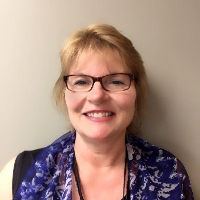
About Diane
She trained at the University of Kansas and has spent much of her career in psychiatric settings. That work included counseling in hospice, senior care, and programs for Veterans and first responders. She has also provided services for members of the LGBTQ+ community. Diane describes her main style as client-centered and meets people where they are.
In sessions she listens without judgment and moves at each person’s pace. She uses approaches such as cognitive behavioral therapy, emotionally-focused therapy, existential ideas, and mindfulness depending on what fits. Diane aims to help people understand patterns, build coping skills, and make choices that fit their values.
Her manner is compassionate and down-to-earth. She mentions that laughter can be part of the work when it fits. People should expect straightforward conversation, clear goals, and practical steps between appointments.
For someone unsure about starting, Diane encourages a simple first step. The process begins with a short matching questionnaire and scheduling. She works collaboratively to set goals and adjust the plan as needs change.
Areas of expertise
Also works with
Additional focus areas
Therapeutic approaches
Experience
15+ years
Credentials
Missouri, Kansas
Languages
English
How Diane’s approaches work well online
Client-centered work focuses on the person’s experience and priorities. The therapist follows the client’s lead, asks questions, and helps set goals that matter to the person seeking help. This style supports a range of concerns from stress to grief.Cognitive behavioral therapy (CBT) looks at thoughts and actions that maintain distress and teaches tools to change them. It is useful for anxiety, depression, and many everyday problems by offering steps and exercises to practice between sessions. Emotionally-focused therapy (EFT) helps people identify and name strong feelings and improve how they relate to themselves and others; it can help with attachment, relationship strain, and processing trauma.
Choosing the right approach is collaborative. Diane will discuss options and tailor methods to fit the client’s needs, goals, and preferences. Expect regular check-ins about what is helping and adjustments when they’re needed.
Confirm current online session options before booking since specific formats are not listed in the biography. Online work can make it easier to fit therapy into a busy week, reduce travel time, and allow shorter check-ins when a full session feels like too much. Licensed professionals can use different approaches over video or phone depending on what suits the client, and Diane will help match the method to the situation.
Frequently asked questions
What concerns does Diane commonly address?
Diane supports people with stress, anxiety, grief, trauma, depression, addictions, ADHD, caregiving strain, chronic illness issues, relationship and intimacy-related concerns, and related challenges.
How would you describe the therapeutic approach and style?
The approach is client-centered and collaborative. Diane listens without judgment, works at each person’s pace, and blends practical tools with empathic support.
What background and experience does Diane bring?
She has 15 years of professional experience and has worked in psychiatric settings, hospice, senior counseling, and with Veterans and first responders.
What credentials and location are listed?
Diane holds the credentials LCSW and LSCSW and practices in Kansas.
Are sessions offered in other languages or to international clients?
Sessions are offered in English and Diane is not currently accepting international clients.
What session formats are available?
Please confirm current session options before booking since the biography does not list specific formats.
How is cost handled for sessions?
Cost varies with location and therapist availability; sessions use a subscription that can be canceled at any time.
How do I begin working with Diane?
Start by selecting the Start Therapy button, completing a short matching questionnaire, and scheduling according to the therapist’s availability.