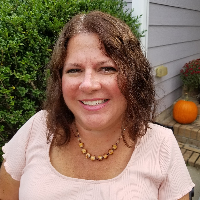
- Client-centered care
- Skill-based work
- Focus on health
About Dina
With five years of clinical practice, she draws on several therapy approaches to meet each person's needs. Sessions often include elements from cognitive behavioral therapy and dialectical behavior therapy to build coping skills. Mindfulness and Jungian ideas may also be used to deepen self-understanding and support emotional regulation.
Dina has worked with people facing parenting stress, compassion fatigue, chronic pain and illness, and caregiver strain. She also supports those dealing with social anxiety, panic attacks, loneliness, and women's issues. Her experience includes helping people with drug and alcohol addiction and LGBT-related concerns.
Her style emphasizes listening first and then trying practical steps together. That may mean learning new coping techniques, practicing mindful breathing, or testing small behavior changes between sessions. The aim is to help people feel steadier and better able to manage day-to-day demands.
People interested in starting can expect straightforward conversation about goals and options. Dina uses her LMFT training to guide collaborative planning so each person can find what fits their life and needs.
Areas of expertise
Primary focus
Also works with
Additional focus areas
Therapeutic approaches
Experience
5+ years
Credentials
California, North Carolina
Languages
English
How her approaches adapt to online care
Client-centered therapy puts the person's experience first and begins with listening closely to what matters most. That helps set goals and shapes each session to address stress, grief, or living with chronic illness. Cognitive behavioral therapy focuses on identifying unhelpful thoughts and testing small behavior changes to reduce anxiety or depression and improve daily functioning.Finding the right approach is part of the work together. The therapist will collaborate with the client to try methods that match goals and preferences, and will adjust strategies if something does not fit. This collaborative process helps shape a plan that feels realistic and useful.
Session formats are not listed in the therapist's biography, so confirm available options before booking. Online therapy can make it easier to fit sessions into a busy week, shorten travel time, and allow check-ins that work around medical appointments or caregiving duties. It can also let people choose quieter times, use audio-only conversation when video is difficult, or focus sessions on skill practice and planning between meetings.
Frequently asked questions
What kinds of problems does this therapist help with?
She works with stress, anxiety, addictions, grief, depression, compassion fatigue, and relationship concerns, plus parenting and self-esteem issues.
What is her therapeutic style like?
Her work is client-centered with practical tools from cognitive behavioral therapy and dialectical behavior therapy to build coping skills and emotion regulation.
What experience does she bring to sessions?
Dina has five years of clinical experience and has supported people with chronic pain, caregiver stress, addiction, and social anxiety among other concerns.
Where is she licensed and based?
She holds the LMFT credential and practices in North Carolina as a California and North Carolina LMFT.
Which languages are supported for sessions?
Sessions are offered in English.
Can international clients work with this therapist?
International clients are not currently accepted.
How are sessions paid for and priced?
Cost varies with location and therapist availability, and sessions use a subscription that can be canceled at any time.
How do I begin therapy with this therapist?
Click the Start Therapy button, complete a short matching questionnaire, and schedule according to the therapist's availability.