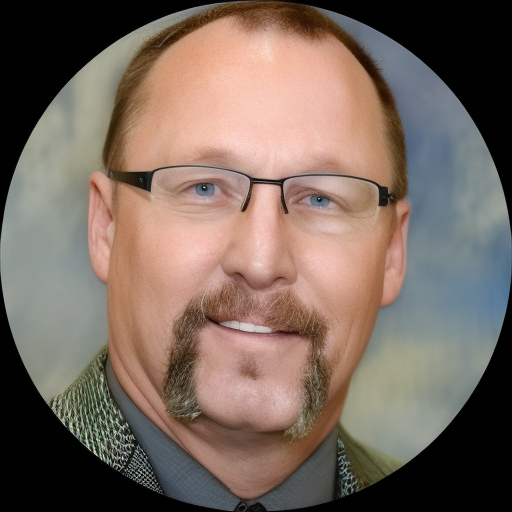
- Stress and anxiety
- Addiction support
- Practical coping skills
About Donald
In sessions he focuses on practical, clear steps rather than jargon. He listens for how stress and past injuries or events show up in daily life, and helps people find ways to reduce symptoms and regain control. Common topics include chronic pain or illness, caregiver strain, problems with concentration and memory, and concerns connected to military service and post-traumatic stress.
His approach is collaborative and straightforward. He helps clients identify what is working, and builds on small, achievable changes to improve routines and relationships. He also addresses process addictions such as gambling, exercise, or pornography when these cause distress.
People often come for help making sense of life purpose after illness or injury, or to manage the long-term effects of traumatic brain injury. Sessions aim to be practical - improving coping skills, daily structure, and problem solving. The goal is steady progress rather than quick fixes.
Donald works in English and holds the LSCSW credential, which stands for Licensed Specialist Clinical Social Worker. Those interested in beginning can use the site Start Therapy button to begin the matching process and schedule according to availability.
Areas of expertise
Primary focus
Additional focus areas
Experience
25+ years
Credentials
Kansas
Languages
English
Approaches that focus on practical coping and recovery
Donald describes his work as centered on evidence-based techniques that produce clear, usable skills. One common focus is on behavioral strategies that help reshape daily routines and habits; these techniques help with anxiety, concentration problems, and managing chronic pain by creating predictable, manageable steps. Another focus is on trauma-informed approaches that help people process difficult experiences and reduce the ways those events disrupt relationships or day-to-day functioning; this can be useful for post-traumatic stress and effects of traumatic brain injury.Finding the right approach is a collaborative process. The therapist will work with each person to identify goals, preferences, and what has or hasn't helped in the past. Together they choose methods and pace that fit the person's life and needs rather than using a one-size-fits-all plan.
Practical benefits of online therapy can include fitting sessions into a workday, avoiding travel time, and using shorter check-ins when schedules are tight. The biography does not specify which session formats are offered, so confirm current options before booking. The emphasis is on making therapy fit into everyday life and on building skills that carry over to real situations.
Frequently asked questions
What concerns does this therapist help with?
Support includes stress, anxiety, addictions, relationship issues, trauma and abuse, and ADHD-related difficulties. Additional focus areas include chronic pain and illness, caregiver stress, post-traumatic stress, and traumatic brain injury.
What is the therapist's general style in sessions?
He uses a collaborative, straightforward style that emphasizes practical steps. Sessions focus on identifying strengths and building small, manageable changes to daily routines and coping skills.
How much experience does the therapist have?
The clinician has 25 years of professional work experience helping people with a wide range of concerns.
What are the therapist's credentials and location?
He holds the LSCSW credential, which stands for Licensed Specialist Clinical Social Worker, and practices in Kansas.
In which language are sessions offered?
Sessions are offered in English and international clients are not currently accepted.
What session formats are available?
The original biography does not list specific session formats. Please confirm current session options before booking.
How is cost handled for sessions?
Cost varies with location and therapist availability, and sessions use a subscription that can be canceled at any time.
How do I begin working with this therapist?
Use the Start Therapy button, complete a short matching questionnaire, and schedule according to the therapist's availability.