- Person-centered approach
- Skills-focused therapy
- Helps with relationships
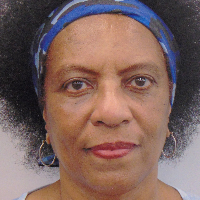
About Ednina
In sessions she draws on Acceptance and Commitment Therapy, Cognitive Behavioral Therapy, Dialectical Behavior Therapy, and the Gottman Method to match tools to each person’s needs. That can mean learning new ways to handle difficult thoughts, practicing emotion regulation skills, or improving communication in close relationships. She aims to help people make small, steady changes that fit their daily life.
Ednina has 11 years of experience working in community and clinical settings. Her background includes helping people with trauma and abuse, grief, bipolar disorder, ADHD, caregiver stress, chronic pain and illness, and other complex situations. She strives to respect differences in culture and life experience.
She describes therapy as a collaborative process. People are invited to set realistic goals and try approaches that feel useful. Progress is paced to each person’s needs and adjusted as those needs change.
Ednina practices in Illinois and conducts sessions in English. If a reader wants to explore working together, the next step is to use the site’s Start Therapy flow to match and schedule a first session.
Areas of expertise
Primary focus
Also works with
Additional focus areas
Therapeutic approaches
Experience
11+ years
Credentials
Illinois
Languages
English
How therapeutic approaches shape online work
Ednina uses Acceptance and Commitment Therapy to help people notice difficult thoughts and choose actions that match their values. ACT focuses on accepting internal experiences while taking steps toward meaningful goals, which can help with anxiety, depression, and coping with health challenges.She also uses Cognitive Behavioral Therapy, which breaks down the links between thoughts, feelings, and actions. CBT offers concrete tools to challenge unhelpful thoughts and develop new behaviors for managing stress, mood, and addiction concerns.
Finding the right approach is part of the process. The therapist will collaborate with each person to pick methods that match their goals and preferences. That means trying techniques, reviewing what helps, and adjusting the plan together over time.
Practical benefits of online work include fitting sessions into a busy week and avoiding travel time. Online sessions can make it easier to attend during a lunch break, keep regular check-ins, or use brief sessions when schedules are tight. The biography does not list specific session formats, so confirm the available options before booking to ensure they match your needs.
Frequently asked questions
What concerns does this therapist address?
She helps people with stress, anxiety, depression, addictions, anger, self-esteem, relationship and family issues, trauma and abuse, grief, intimacy-related concerns, career matters, bipolar disorder, coping with life changes, and ADHD.
How would you describe the therapist's approach and style?
Her style is person-centered and collaborative, pairing acceptance-based ideas with practical techniques from CBT and DBT to teach coping skills and build healthier habits.
What kind of experience does the therapist have?
She has 11 years of clinical experience working with adolescents, adults, and couples across a range of concerns including substance issues and trauma.
What credentials and location are listed?
She holds an Illinois LCPC credential and practices in Illinois.
Which languages are supported and are international clients accepted?
Sessions are offered in English and international clients are not currently accepted.
What session formats are available?
The original biography does not specify session formats; please confirm current session options before booking.
How is cost handled for sessions?
Cost varies with location and therapist availability; sessions use a subscription that can be canceled at any time.
How do I begin the process of working with this therapist?
Start by selecting the Start Therapy button, complete the short matching questionnaire, and schedule according to therapist availability.