- Client-centered care
- CBT strategies
- Helps manage grief
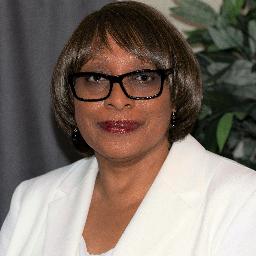
About Faye
Faye draws on client-centered work to build a respectful space where the person sets the pace and goals. She also uses Cognitive Behavioral Therapy, which looks at how thoughts and behaviors affect mood and helps people try small, manageable changes. Sessions are tailored to each person's situation rather than following a one-size-fits-all script.
Her approach emphasizes clear steps and real skills people can use between sessions. That can include identifying unhelpful thinking, planning actions that lower stress, or creating routines to support mood. She aims to keep tasks simple and doable so progress feels realistic.
Faye brings eight years of professional experience in counseling settings. She has worked with people facing grief, end-of-life concerns, challenges related to aging, and long-term health conditions like cancer and HIV/AIDS. She also has experience supporting individuals who feel isolated or struggle with social anxiety.
She speaks English and practices in Georgia. To begin, clients follow the standard Start Therapy flow on the site to match and schedule a first appointment. The focus is on collaboration, practical skills, and steady steps toward better day-to-day functioning.
Areas of expertise
Primary focus
Additional focus areas
Therapeutic approaches
Experience
8+ years
Credentials
Georgia
Languages
English
How therapy approaches guide online care
Client-Centered Therapy focuses on listening and working at the client's pace. It emphasizes respect and collaboration, helping people set their own goals and make decisions that feel right for them.Cognitive Behavioral Therapy, or CBT, helps people see how thoughts and actions influence feelings. It breaks problems into manageable steps and teaches practical tools for stress, anxiety, and mood challenges.
Finding the right approach is part of therapy. The therapist will talk with each person about goals and preferences and then recommend using client-centered work, CBT, or a mix of both. That choice is made together and can change as needs shift.
Confirm the specific session options before booking since formats are not listed here. Online work can make it easier to fit therapy into a busy life by removing travel time and allowing appointments during breaks or evenings. It also supports short check-ins when a quick strategy or mood check is enough, and it can reduce the time commitment around an appointment. Licensed professionals aim to match method and scheduling to what will work best for daily routines.
Frequently asked questions
What kinds of problems does this therapist help with?
Areas of focus include stress, anxiety, grief, anger, and depression, with additional attention to substance use concerns and social anxiety.
What is the therapist's general style in sessions?
Sessions emphasize a client-centered style where the person sets goals, paired with Cognitive Behavioral Therapy techniques to address thoughts and behaviors.
How much experience does the counselor have?
The therapist has eight years of professional counseling experience working with a range of concerns including grief, aging issues, and addiction-related challenges.
What credential does the therapist hold and where are they based?
She is a Licensed Professional Counselor, LPC, and practices in Georgia.
Which languages are supported for sessions?
Sessions are offered in English.
Can people outside the United States work with this therapist?
International clients are not currently accepted; services are provided to clients in the therapist's licensed region.
How are session costs handled?
Cost varies by location and therapist availability, and sessions use a subscription that can be canceled at any time.
What are the steps to begin working together?
Use the Start Therapy button, complete a short matching questionnaire, and then schedule appointments according to the therapist's availability.