- Person-centered
- Goal focused
- Experience driven
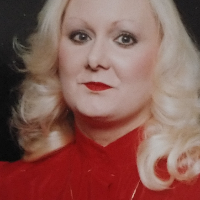
About Gwendolyn
Downing draws on many therapy styles to fit each person’s needs rather than one fixed method. She commonly uses Attachment-Based ideas to look at relationship patterns, Cognitive Behavioral Therapy to shift thinking and behavior, and Dialectical Behavior Therapy skills for emotion regulation. She also uses Emotionally-Focused work and trauma-oriented methods when those are helpful.
Her background includes long experience in public agency settings and many years in private practice. Referrals have come from self-referral, employee assistance programs, and family court systems. That variety informs how she supports people facing depression, anxiety, addictions, grief, parenting strain, chronic illness challenges, and other stresses.
Sessions aim to identify practical steps, build on existing strengths, and reduce the things that get in the way of daily functioning. She often helps people with relationship and attachment issues, caregiver stress, body image concerns, coping with chronic pain or illness, and emotions after trauma.
Gwen emphasizes collaboration and steady progress. She invites people to bring their concerns and goals, and together they shape a workable plan for therapy and life beyond it.
Areas of expertise
Primary focus
Also works with
Additional focus areas
Therapeutic approaches
Experience
41+ years
Credentials
Alabama
Languages
English
How her approaches translate to online work
Attachment-Based Therapy looks at how early and current relationship patterns affect feelings and behavior. In practice this means talking through how people connect, react to closeness, and form trust, then trying different ways of relating. Cognitive Behavioral Therapy, or CBT, focuses on the connections between thoughts, feelings, and actions. It uses simple exercises and homework to test unhelpful thinking and build new habits for mood and anxiety concerns. Dialectical Behavior Therapy, or DBT, teaches specific skills for handling intense emotions and improving problem solving, often with short practical exercises people use in daily life.Finding the right approach is part of the work. The therapist will review needs, goals, and preferences and then suggest which methods to try. That decision is collaborative and can change as progress is made.
The practical benefits of online therapy include fitting sessions into a busy schedule and keeping regular contact from wherever appointments are arranged. Because the biography does not list specific session formats, please confirm available options before booking. Many people find remote sessions helpful for maintaining consistency, shorter check-ins during a busy day, or reducing travel time while working on relationship patterns, coping with chronic illness, trauma recovery, or building emotion regulation skills.
Frequently asked questions
What concerns does she address?
She helps people facing stress, anxiety, depression, addictions, trauma, grief, and life transitions. Other focuses include parenting strain, caregiver stress, chronic illness, body image, and relationship or attachment issues.
What is her general therapy style?
She adapts methods to each person and uses practical, goal-oriented work. Conversations center on clear steps and skills that can be used between sessions.
How long has she practiced?
She has 41 years of experience, including work in public agencies and many years in private practice.
Where is she licensed and based?
She is a Licensed Professional Counselor (LPC) licensed in Alabama and practices there.
What languages are supported?
Sessions are offered in English.
Can people outside the U.S. work with her?
International clients are not currently accepted.
How are sessions priced or billed?
Cost varies with location and therapist availability; sessions use a subscription that can be canceled at any time.
How do I begin working with her?
Click the Start Therapy button, complete a short matching questionnaire, and schedule according to therapist availability.