- Practical skill building
- Values-based work
- Compassionate listening
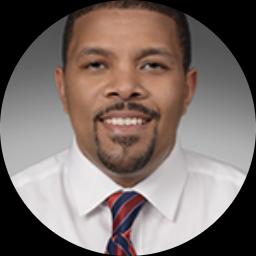
About John
With 18 years of experience, John adapts sessions to each person's needs rather than using a one-size-fits-all plan. He focuses on building skills people can use between meetings. That can mean working on emotion regulation, clearer thinking patterns, or values-based decision making depending on what someone needs.
John uses a mix of approaches depending on the situation. He draws from Acceptance and Commitment Therapy to help people clarify what matters to them and from Cognitive Behavioral Therapy to address unhelpful thoughts and behaviors. He also uses Attachment-Based and Client-Centered techniques to strengthen relationships and foster a nonjudgmental space.
People reach out to him for a wide range of concerns beyond anxiety and depression, including grief, addiction, caregiver stress, men’s issues, and coping after loss or disaster. He can also support those dealing with adoption or foster care questions and life-purpose concerns.
Sessions are explained in simple terms so people know what will happen and what to expect. John is based in Georgia and conducts his work in English. He welcomes conversations about how therapy might fit into each person’s life.
Areas of expertise
Primary focus
Also works with
Additional focus areas
Therapeutic approaches
Experience
18+ years
Credentials
Georgia
Languages
English
How therapeutic approaches guide online work
Acceptance and Commitment Therapy (ACT) focuses on helping people name what matters to them and take actions that align with those values, even when difficult thoughts or feelings appear. It often helps with anxiety, depression, and life transitions. Cognitive Behavioral Therapy (CBT) looks at the links between thoughts, feelings, and behaviors and teaches practical skills to shift unhelpful patterns; it is commonly used for anxiety, depression, and coping with stress.Finding the right approach is part of the work. John will listen to each person’s goals and preferences and suggest methods that fit. He treats approach selection as a collaboration and adjusts strategies as progress is tracked and needs change.
Confirm the available session formats before booking, since the biography does not list specific options. Online therapy can make fitting sessions into a busy life easier by removing travel time, allowing shorter check-ins on a work break, or avoiding the need to be on camera for every visit. Licensed professionals can use these practical options to help people practice skills, talk through difficult moments, and plan next steps without requiring major schedule changes.
Frequently asked questions
What concerns does John commonly address?
He works with people dealing with stress, anxiety, depression, trauma and related issues such as grief, addiction, caregiver strain, and life purpose questions.
How would you describe his therapeutic style?
Sessions are practical and conversational, with an emphasis on skills people can use between meetings and on clarifying personal values to guide change.
What background and experience does he bring?
John has 18 years of professional experience providing mental health support and guidance across a range of concerns.
Which credentials and region are associated with this therapist?
He holds the credentials LCSW and CSW and practices in Georgia.
In which languages can sessions be held and are international clients supported?
Sessions are offered in English, and he accepts international clients.
What session formats are available?
Please confirm current session options with the therapist before booking, as formats are not specified in the biography.
How does cost and billing work for sessions?
Cost varies with location and therapist availability, and sessions use a subscription that can be canceled at any time.
How do I begin if I want to work with him?
Use the Start Therapy button, complete the short matching questionnaire, and schedule according to the therapist's availability.