- Trauma-informed approach
- Skills-focused work
- Affirming care
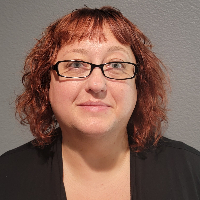
About Jolene
Dr. Des Roches uses clear, practical methods in sessions. She focuses on helping people build better communication, manage strong emotions, and address patterns that keep them stuck. Sessions aim to identify small, useful changes that make daily life easier.
Her background includes 15 years of clinical experience working with a broad range of concerns. That experience includes work with mood disorders, trauma and posttraumatic stress, eating and body image concerns, and relationship difficulties. She also has experience with adoption and foster care, attachment issues, autism spectrum experiences, and chronic illness.
Her approach is trauma-informed and person-centered, which means the pace and goals are set together with each person. She draws on practical techniques from cognitive behavioral and mindfulness-based methods, among others, to help clients practice new skills between sessions.
People who meet with her can expect straightforward conversation, skill-building exercises, and attention to values and identity. Dr. Des Roches aims to create a respectful space where clients feel seen and can work toward clearer choices and healthier patterns.
Areas of expertise
Primary focus
Also works with
Additional focus areas
Therapeutic approaches
Experience
15+ years
Credentials
Texas
Languages
English
How her approaches translate to online care
Client-Centered Therapy focuses on listening and building a trusting, respectful working relationship. It helps when someone needs acceptance, exploration of identity, or support making personal choices.Cognitive Behavioral Therapy, or CBT, uses clear steps to notice unhelpful thoughts and try new behaviors. It is often used for anxiety, mood changes, and stress management because it gives practical tools to use between sessions.
Dialectical Behavior Therapy, DBT, teaches emotion regulation, distress tolerance, and safer ways to handle intense feelings. Those skills can help with strong anger, overwhelming shame, or patterns that repeat in relationships.
Finding the right approach is part of the work. The therapist will discuss options and help decide which methods match a person's goals and preferences. That choice is collaborative and can shift as needs change.
If you are considering online therapy, confirm the session formats offered before booking. Many people find virtual sessions helpful because they can fit appointments into work or family days, reduce travel time, and allow a quicker check-in when stress spikes. Ask about session length and any technical needs when you schedule so appointments fit your routine.
Frequently asked questions
What kinds of problems does she help with?
She supports people managing stress, anxiety, depression, trauma, relationship concerns, grief, parenting strain, and challenges linked to chronic pain or illness.
How would you describe her therapy style?
Her style is compassionate and practical. Sessions focus on clear skills, communication work, and pacing set together with the client.
What experience does she bring to sessions?
She has 15 years of clinical experience working with mood disorders, trauma, eating and body image concerns, attachment matters, and relationship issues.
What credentials and location should I know about?
She is a Licensed Professional Counselor (LPC) practicing in Texas.
Which languages are available for sessions?
Sessions are offered in English.
Are international clients supported?
International clients are not currently accepted.
How is payment handled?
Cost varies by location and therapist availability; sessions use a subscription model that can be canceled at any time.
How do I begin working with her?
Click the Start Therapy button, complete a short matching questionnaire, and schedule according to therapist availability.