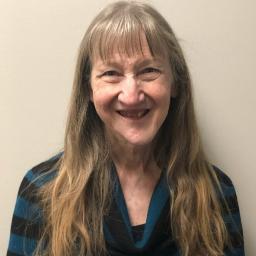
- 30 years experience
- Whole-person focus
- LGBTQIA2S+ friendly
About Karen
She works with adult clients facing stress, anxiety, grief, depression, and challenges around relationships and intimacy. Karen also supports people coping with chronic illness, caregiving stress, aging concerns, body image, gender dysphoria, and sexual diversity including BDSM and kink topics. LGBTQIA2S+ identities and alternative relationship styles are welcome.
Sessions may include guided imagery, music, art, movement, breath work, rituals, aromatherapy, and attention to sleep and nutrition alongside evidence-informed methods such as cognitive behavioral techniques, dialectical behavior skills, attachment-based ideas, and EMDR-informed tools. Her aim is to help people identify limiting beliefs and develop practical ways to feel better in daily life.
She describes her work as collaborative and respectful, meeting each person where they are. Karen often shares educational resources clients can use between sessions to deepen learning and support ongoing progress.
Outside the office she values spirituality, nature, gardening, animals, and creative cooking. She names herself genderfluid and pansexual and notes she is neurodivergent, which informs a flexible, nonjudgmental stance in therapy.
Areas of expertise
Also works with
Additional focus areas
Therapeutic approaches
Experience
30+ years
Credentials
Kansas, Washington, Missouri, Montana, Idaho, Oregon
Languages
English
How therapeutic approaches translate to online work
Attachment-based ideas emphasize how early relationships shape current patterns. In an online setting this can look like talking through relationship history and practicing new ways of connecting and regulating emotions. Cognitive Behavioral Therapy (CBT) focuses on spotting unhelpful thoughts and testing new behaviors; online sessions can include concrete tools, worksheets, and practice assignments to use between meetings. Eye Movement Desensitization and Reprocessing (EMDR) is used to process distressing memories; in telehealth it can involve guided processing and techniques adapted for remote sessions.Choosing the right approach is a collaborative process. The therapist will talk with each person about goals, preferences, and what feels manageable, then try methods that fit the person's needs. They may combine talking, skill practice, and experiential exercises and adjust the plan as therapy proceeds.
The original biography does not list which session formats are offered, so confirm current options before scheduling. Online therapy can make it easier to fit sessions into a busy life by reducing travel time, allowing shorter check-ins when needed, and enabling work from quieter surroundings. It also lets therapists share digital resources, guided exercises, and follow-up materials that support progress between appointments.
Frequently asked questions
What kinds of concerns does she help with?
She works with adults around stress, anxiety, grief, depression, relationship and intimacy issues, trauma and abuse, compassion fatigue, and life changes. Additional focuses include chronic illness, caregiver stress, body image, aging issues, and gender dysphoria.
What is her therapeutic style like?
Her style is collaborative and strength-based, combining talk therapy with creative and body-focused techniques. She mixes practical skills with experiential tools to help people change habits and feel more grounded.
How much clinical experience does she have?
She brings about 30 years of experience practicing psychotherapy and related approaches in clinical settings. That history informs a flexible, eclectic way of working with clients.
What are her credentials and where is she located?
She holds an LCSW and practices in Montana. The profile lists OR LCSW and MO LCSW as credential details.
In which language are sessions offered?
Sessions are offered in English. International clients are not currently accepted.
What session formats are available?
The original biography does not specify session formats. Please confirm current session options before booking to ensure they meet your needs.
How does payment and cost work?
Costs vary with location and therapist availability. Sessions use a subscription model that can be canceled at any time.
How do I start if I want to work together?
Select the Start Therapy button, complete the short matching questionnaire, and schedule according to the therapist's availability.