- Client-centered approach
- CBT and DBT tools
- Focus on coping
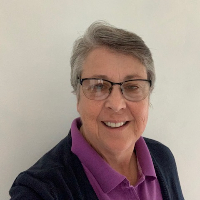
About Kathy
Her approach centers on the person in front of her. She uses client-centered care along with cognitive behavioral techniques and problem-solving tools to set clear, achievable steps. Dialectical behavior strategies and motivational interviewing ideas are woven in when they fit the client’s goals.
Kathy has worked with people facing bipolar disorder, trauma, attachment concerns related to international adoption, and issues that can follow military service. She also supports those dealing with chronic illness, caregiver stress, body image and eating-related concerns, and complications from co-occurring conditions.
Sessions are conversational and interactive. Kathy listens closely, helps sort out what's most urgent, and collaborates on simple skills and plans to try between meetings. She emphasizes small, practical changes that add up over time.
Clients ready to begin will find guidance on next steps and a steady, experienced clinician to help them move forward. Kathy aims to walk alongside people as they build coping tools and make lasting adjustments in their daily lives.
Areas of expertise
Primary focus
Also works with
Additional focus areas
Therapeutic approaches
Experience
30+ years
Credentials
North Carolina
Languages
English
How Kathy’s Approaches Translate to Online Support
Kathy uses client-centered therapy and cognitive behavioral therapy as core methods. Client-centered therapy means listening closely and shaping sessions around what the person finds most important. Cognitive behavioral therapy looks at thoughts and behaviors and teaches practical skills to change patterns that cause distress.She also uses elements of dialectical behavior therapy to teach emotion regulation and coping skills when intense feelings or mood instability are part of the concern. These techniques focus on skills practice, grounding, and step-by-step behavior changes that can be practiced between sessions.
Choosing the right approach is a collaborative process. Kathy will help figure out which methods fit a person's goals, preferences, and the particular challenges they bring. Together they set priorities and test approaches, adjusting plans as progress is made.
Session formats are not specified here, so confirm current options before booking. In general, online work can make it easier to fit therapy into busy schedules, allow for shorter check-ins when needed, and reduce travel time. These practical benefits help people keep momentum while learning and applying new skills.
Frequently asked questions
What concerns does Kathy often address?
She works with stress, anxiety, depression, grief, addictions, bipolar disorder, trauma and a range of life changes including career transitions and caregiving strain.
How would you describe her therapy style?
Her style is warm and interactive, based on mutual respect and acceptance, with an emphasis on practical problem solving and clear steps to try between sessions.
What experience does she bring to sessions?
She has 30 years of clinical experience providing care for people with mood disorders, trauma, attachment concerns, and addiction-related issues.
What are her credentials and where is she based?
She is a Licensed Clinical Social Worker, LCSW, licensed in North Carolina and practices from that state.
Which languages are offered for sessions?
Sessions are offered in English.
Does she work with clients outside the United States?
International clients are not currently accepted.
How are fees and payment handled?
Cost varies with location and changes in therapist availability; sessions use a subscription that can be canceled at any time.
How do I begin a therapy relationship?
Use the Start Therapy button, complete a short matching questionnaire, and then schedule according to the therapist's listed availability.