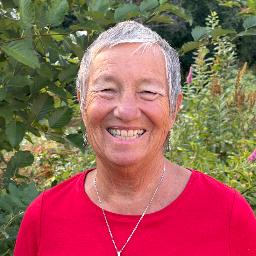
- Client-centered care
- 20 years experience
- California based
About Kristina
Her approach starts from the belief that each person knows their own story best. She uses client-centered therapy, which means sessions follow the client's pace and priorities. The therapist listens closely, reflects what she hears, and helps people notice strengths they already have.
Kris brings 20 years of professional experience to the work. That background includes supporting people through grief, relationship endings, and shifts in identity. She also assists those dealing with chronic illness, chronic pain, and caregiver stress.
In sessions she addresses patterns like attachment and abandonment worries, control struggles, and communication problems. She also helps people facing guilt, shame, loneliness, or financial stress to find clearer next steps. Conversations are grounded and focused on concrete, manageable change.
Many clients come wanting relief from overwhelming emotions or clearer choices about relationships and life transitions. Kris helps people name what matters, set achievable goals, and try different approaches until something fits. She encourages small experiments and practical tools that match each person's life.
Areas of expertise
Additional focus areas
Therapeutic approaches
Experience
20+ years
Credentials
California
Languages
English
How client-centered work fits with online therapy
Client-centered therapy focuses on listening closely, following the client's goals, and helping people notice their own strengths. In practice this means the therapist reflects what the client says, asks clarifying questions, and supports clients in choosing next steps. This approach is useful for anxiety, stress, coping with life changes, and processing difficult experiences.The therapist treats the choice of approach as a conversation. She will collaborate with each person to figure out what feels most helpful, adjusting methods to match a person's needs and preferences. Finding the right fit is an ongoing process rather than a single decision.
Session formats are not specified in the biography, so confirm current options before booking. Online sessions can make it easier to fit therapy into a busy schedule, shorten commute time, and allow check-ins during breaks. Phone sessions may work when bandwidth is limited or a shorter check-in is needed, while video can allow more visual connection when that is helpful. Licensed professionals can adapt pacing and tools to remote work so sessions remain practical and focused.
Frequently asked questions
What concerns does Kris help with?
She helps people dealing with stress, anxiety, trauma and abuse, LGBT related issues, coping with life changes, and compassion fatigue. Additional focus areas include chronic pain and illness, attachment and abandonment concerns, communication problems, and mood issues.
What is her therapeutic style like?
She practices client-centered therapy, which means the client sets the pace and direction. Sessions emphasize listening, reflection, and building on the client's existing strengths.
How much experience does she bring?
She has 20 years of professional experience supporting people through life transitions, trauma, caregiver stress, and ongoing health challenges.
What credential does she hold and where is she based?
She is a California licensed marriage and family therapist - LMFT - and practices in California.
Which languages are offered in sessions?
Sessions are offered in English.
Can she work with clients outside the United States?
International clients are not currently accepted.
How are sessions paid for and what do they cost?
Cost varies by location and therapist availability. Sessions use a subscription model that can be canceled at any time.
How do I begin if I want to work with her?
Start by selecting the Start Therapy button and completing a short matching questionnaire. Then schedule sessions according to the therapist's availability.