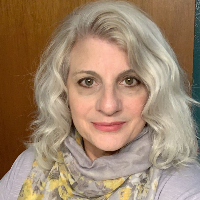
- Warm and direct
- Goal focused
- Practical tools
About Laura
She uses clear, simple methods in sessions. Conversations focus on what is happening now and what changes are realistic. Laura blends client-centered listening with practical techniques from cognitive behavioral therapy and dialectical behavior therapy. She also uses EMDR and mindfulness strategies when these fit a person’s needs.
Sessions are collaborative and goal-directed. The therapist works with each person to set clear goals and create a plan that fits daily life. Topics often include coping with chronic pain or illness, managing anger, improving communication, and navigating life transitions.
Laura emphasizes respect and sensitivity and avoids labeling people. She supports clients who identify as LGBT and addresses intimacy, sexuality, and self-esteem issues without stigma. Her approach includes short-term solutions when useful and longer-term work for deeper concerns.
People who choose her can expect focused, practical conversations and tools to try between sessions. She encourages taking small steps and practicing new skills outside therapy. If someone is ready to start making changes, Laura aims to offer steady guidance and realistic strategies.
Areas of expertise
Primary focus
Also works with
Additional focus areas
Therapeutic approaches
Experience
10+ years
Credentials
Colorado, Oregon
Languages
English
How evidence-based approaches translate to online care
Client-centered therapy focuses on listening and building understanding. The therapist offers a supportive space, reflects what someone says, and helps people find their own next steps. This approach helps with self-esteem, relationship concerns, and finding direction.Cognitive behavioral therapy, or CBT, looks at the connections between thoughts, feelings, and behavior. It provides simple exercises and homework to test new ways of thinking and reduce symptoms of anxiety, depression, and OCD. Dialectical behavior therapy, DBT, adds skills for managing intense emotions and improving relationships through practical skills like distress tolerance and emotional regulation.
Finding the right approach is a collaborative process. The therapist will discuss goals and preferences and try methods that match the person’s needs. Together they’ll review what’s working and adjust the plan over time so sessions stay focused and useful.
If you are considering online therapy, check which session formats the therapist currently offers before booking. Confirming options lets you choose what fits your routine. Online sessions can make it easier to fit therapy into busy days, reduce travel time, allow shorter check-ins when needed, and help maintain continuity of care when life is busy or travel is difficult.
Frequently asked questions
What concerns does Laura help with?
She works with people facing depression, anxiety, trauma and abuse, grief, anger, ADHD, OCD, relationship and intimacy issues, parenting struggles, bipolar and other mood concerns.
What is her therapy style like?
Sessions are caring and interactive. She combines active listening with concrete strategies and keeps conversations approachable rather than clinical.
How long has she been practicing?
Laura has been a counselor for 10 years, with experience practicing in a rural area and helping people with a wide range of concerns.
What credentials and location are listed?
She holds the LPC credential and practices in Oregon.
Which languages are supported and are international clients accepted?
Sessions are offered in English and international clients are not currently accepted.
What session formats are available?
The original biography does not specify session formats; confirm current session options with the service before booking.
How much do sessions cost?
Cost varies with location and therapist availability; sessions use a subscription that can be canceled at any time.
How do I begin working with her?
Use the Start Therapy button, complete a short matching questionnaire, and schedule according to therapist availability.