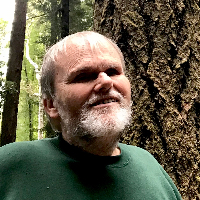
- 35 years experience
- LMFT in California
- Relationship-focused care
About Leonard
He keeps therapy straightforward and relationship-centered. Leonard emphasizes an honest, steady working relationship as the foundation for change. Sessions are focused on what matters now and on practical steps people can try between meetings.
Leonard draws on multiple approaches to tailor care to each person. He uses Acceptance and Commitment Therapy to help people live around painful thoughts and feelings. He uses Attachment-Based and Client-Centered ideas to strengthen how people connect and feel understood. Cognitive Behavioral methods help with patterns of thought and behavior that keep problems going.
His experience includes long-term work with people recovering from complex post-traumatic stress, anxiety and depression, cancer survivorship concerns, and identity-related stress faced by LGBT people. He describes change as difficult but possible, and he frames therapy as a joint effort where the person and therapist plan small, doable steps.
Leonard works in California and offers therapy in English. He asks new clients to complete a short matching questionnaire and then schedule sessions according to his availability. The cost varies by location and therapist availability and uses a subscription that can be canceled at any time.
Areas of expertise
Primary focus
Also works with
Additional focus areas
Therapeutic approaches
Experience
35+ years
Credentials
California
Languages
English
How therapeutic approaches guide online work
Acceptance and Commitment Therapy (ACT) focuses on noticing thoughts and feelings without getting controlled by them and then committing to actions that matter. It is often used for anxiety, depression, and coping with chronic health challenges. Attachment-Based Therapy looks at how early connection patterns shape current relationships and helps people try new ways of relating to feel safer and more connected.Leonard approaches the choice of method as a collaborative process. He will listen to a person's goals and preferences, explain possible approaches, and together decide what to try first. Adjustments are made as needed so the work fits the person's experience and pace.
Practical benefits of online therapy include fitting therapy into a busy week and reducing travel time. Online sessions can make it easier to have a regular check-in during a lunch break or between errands. Because the biography does not list specific session formats, confirm the current session options before booking to know what is available and what will work best for day-to-day life.
Frequently asked questions
What concerns does Leonard address in therapy?
He works with stress, anxiety, depression, grief, addictions, relationship and intimacy issues, sleep and parenting strain, and challenges from chronic illness and caregiving.
How would you describe his therapeutic style?
He prioritizes a direct, honest relationship and practical steps. Sessions focus on real-life problems and on building skills to use between meetings.
What is his professional background?
Leonard has 35 years of clinical experience and many years helping people recover from complex trauma, manage anxiety and depression, and cope with cancer survivorship and identity concerns.
What credential does he hold and where is he based?
He is a Licensed Marriage and Family Therapist, LMFT, licensed in California and practices there.
Which languages are sessions offered in?
Sessions are offered in English.
Can people outside the U.S. work with him?
He does not accept international clients at this time.
How are fees and payment handled?
Cost varies with location and therapist availability; sessions are provided through a subscription that can be canceled at any time.
How do I begin working with him?
Select the Start Therapy button, complete a short matching questionnaire, and then schedule sessions according to the therapist's availability.