- Practical strategies
- Collaborative approach
- Focus on relationships
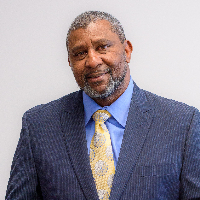
About Lewis
He uses a straightforward, person-focused style in sessions. Lewis listens first to what matters most and then offers practical steps to try between meetings. He aims for clear goals so progress feels measurable and manageable.
His background includes long-term work with trauma and family issues. He combines approaches to match a person’s needs instead of using a single method for everyone. That can mean learning new ways to handle strong emotions or shifting unhelpful thoughts that keep problems stuck.
Lewis pays attention to cultural and generational factors that shape how people cope. He often supports men navigating life transitions and people facing complicated family patterns. He also works with clients dealing with chronic illness, caregiver strain, and forgiveness or abandonment concerns.
Sessions are practical and collaborative. Expect a mix of talking, skill-building, and goal-focused exercises. The aim is to improve day-to-day functioning, reduce distress, and help people make choices that match their values.
Areas of expertise
Primary focus
Also works with
Additional focus areas
Therapeutic approaches
Experience
25+ years
Credentials
District of Columbia
Languages
English
Approaches that guide online work
Client-Centered Therapy focuses on the relationship and on understanding each person's point of view. It involves reflective listening and helping clients find their own solutions, which can be useful for anxiety, self-esteem, and life transitions.Cognitive Behavioral Therapy, or CBT, looks at the connections between thoughts, feelings, and actions. It teaches practical skills to challenge unhelpful thinking and build new coping behaviors, often used for anxiety, depression, and stress management.
Emotionally-Focused Therapy pays attention to emotional patterns in close relationships. It helps people name and shift interaction styles that cause conflict or distance, which can improve communication and intimacy concerns.
Finding the right approach is part of the work. The therapist will collaborate with each person to choose methods that match their goals, values, and daily life. That choice can change over time as needs shift and progress is made.
Because the original profile does not list specific online session formats, please confirm the available options before booking. Online work can make it easier to fit therapy into a busy schedule, allow shorter check-ins when needed, and reduce travel time. Therapists commonly adapt exercises and homework for remote sessions so progress continues between meetings.
Frequently asked questions
What concerns does Lewis address?
He works with stress, anxiety, addiction, trauma, relationship and family issues, grief, depression, and related concerns such as self-esteem and parenting strain.
How would you describe his therapeutic style?
Sessions are person-centered and practical. He listens, sets clear goals, and offers exercises to practice between meetings.
What is his clinical experience?
He has 25 years of experience working with individuals on a range of mental health and life challenges.
What credentials and region are noted?
He holds the LPC credential as a Licensed Professional Counselor and practices in the District of Columbia.
What languages are available and are international clients supported?
Sessions are offered in English and international clients are accepted.
Which session formats are offered?
The original profile does not specify session formats; please confirm current session options with the service before booking.
How does cost work for sessions?
Cost varies with location and therapist availability, and sessions use a subscription that can be canceled at any time.
How do I begin working with him?
Click the Start Therapy button, complete a short matching questionnaire, and schedule sessions according to therapist availability.