- Mindfulness and somatic work
- Skills-based tools
- Emotion-focused support
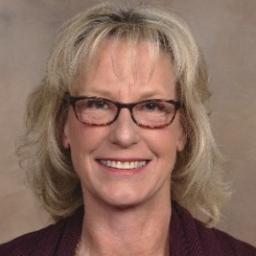
About Linda
Her work centers on calming the nervous system and using body-based methods alongside talk therapy. She combines Client-Centered Therapy, Cognitive Behavioral Therapy (CBT), Dialectical Behavior Therapy (DBT), Emotionally-Focused Therapy (EFT), and existential ideas to help people cope. Linda pays attention to how chronic stress and difficult experiences show up as behavior and body tension.
She offers support for a wide range of concerns including stress, anxiety, depression, trauma and abuse, addiction, ADHD, grief, relationship and intimacy issues, parenting challenges, and coping with health problems or chronic illness. She also helps with career strain, compassion fatigue, and major life changes.
In sessions she uses techniques drawn from mindfulness, somatic awareness, and nonviolent communication to help people express needs and set boundaries. Her style is structured but warm, with emphasis on practical tools, accountability, and steps people can try between sessions.
Linda encourages a collaborative process that respects each person’s pace. Prospective clients are invited to consider whether this mix of body-focused regulation, skills work, and emotionally focused conversation feels like a good fit for their goals.
Areas of expertise
Primary focus
Also works with
Additional focus areas
Therapeutic approaches
Experience
18+ years
Credentials
Florida, North Carolina
Languages
English
Approach-driven online care for body and emotion regulation
Linda draws on Cognitive Behavioral Therapy and Dialectical Behavior Therapy to offer practical ways to change distressing thoughts and build coping skills. CBT focuses on identifying unhelpful thinking and testing small behavior changes to reduce anxiety and depression. DBT emphasizes emotional regulation, distress tolerance, and improving relationships through concrete skills training.She also uses a Client-Centered approach that prioritizes the person’s experience and goals. Finding the right mix of methods is a collaborative process. The therapist and client review needs, preferences, and goals together and adjust the approach as work progresses.
Confirm current session options before booking, as formats are not specified here. Online therapy can help fit sessions into a busy life, make it easier to schedule short check-ins between obligations, and reduce travel time. It also allows consistent weekly work on skills and emotion regulation while using mindfulness and somatic techniques adapted for remote sessions. If you want to explore how these methods translate to online work, mention that in your intake questionnaire and the therapist will discuss how to make sessions practical for your routine.
Frequently asked questions
What kinds of problems does Linda address?
She helps with stress, anxiety, depression, trauma and abuse, addictions, ADHD, grief, relationship and intimacy concerns, parenting issues, coping with chronic illness, and related life changes.
What is her general therapy style?
Her style blends body-focused regulation, mindfulness, and evidence-based talk therapies to give hands-on tools and emotional processing in sessions.
How much clinical experience does she have?
Linda has 18 years of experience working in inpatient psychiatric units, recovery facilities, agencies, and wellness centers.
What credentials and region are listed for this clinician?
She is a Licensed Clinical Social Worker - LCSW - and practices in Florida where she maintains her LCSW credentials.
Which languages are supported for sessions?
Sessions are offered in English.
Does she work with international clients?
International clients are not currently accepted.
How are fees and billing handled?
Cost varies with location and therapist availability; sessions use a subscription model that can be canceled at any time.
What should someone do to begin working with her?
Click the Start Therapy button, complete a short matching questionnaire, and schedule sessions according to the therapist's availability.