- Anxiety and stress
- Addiction support
- English and Russian
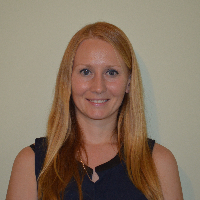
About Elizaveta
She emphasizes a client-centered approach that begins with listening to what matters most. Sessions focus on clear goals and step-by-step strategies. Liza uses cognitive behavioral ideas to help people notice unhelpful thoughts and test new ways of coping. She also brings dialectical behavior therapy and mindfulness techniques when emotion regulation and present-moment skills are useful.
Liza has worked across inpatient and outpatient settings. That includes supporting older adults in inpatient care and helping people in addiction treatment programs. She has also worked with people who have severe mental illness, offering a steady, nonjudgmental space to talk and find solutions.
In sessions she pays attention to life purpose and daily routines that shape mood and meaning. Practical topics she often addresses include sleep, eating and body image, caregiver stress, chronic pain or illness, and compassion fatigue. She also helps people coping with major life changes, loss, or the aftermath of traumatic events.
People can expect an approachable therapist who values clear goals and real-world tools. Liza encourages patients to test small changes between meetings and to build skills that fit their daily life. Her background aims to support those working through health challenges and other life stressors.
Areas of expertise
Primary focus
Also works with
Additional focus areas
Therapeutic approaches
Experience
9+ years
Credentials
Florida
Languages
English, Russian
Approaches that translate well to online support
Client-centered therapy focuses on listening and building goals together, helping people feel heard and guiding each step toward change. Cognitive behavioral therapy (CBT) teaches practical skills to spot unhelpful thoughts and try different behaviors to see what helps mood and functioning. Dialectical behavior therapy (DBT) offers concrete tools for managing strong emotions and improving coping skills during stressful moments.Choosing the right approach is part of the work. The therapist will collaborate with each person to decide which methods fit their needs and goals. That decision can change over time as progress is made and circumstances shift.
The biography does not list specific online formats, so confirm available session types before booking. Online work can make it easier to fit therapy into a busy life by removing travel time, allowing shorter check-ins when needed, and enabling sessions from different locations. It can also help people keep continuity of care during life transitions or when mobility or health issues make in-person visits difficult. Talk with the therapist about how to structure sessions to match your schedule and daily routines.
Frequently asked questions
What concerns does this therapist help with?
Common concerns include stress, anxiety, addictions, trauma and abuse, grief, depression, LGBT issues, eating and sleeping problems, self esteem, and coping with life changes.
What is the therapist's general approach to therapy?
She uses a client-centered style combined with cognitive behavioral techniques, dialectical behavior therapy skills, mindfulness, and trauma-focused ideas to build practical coping strategies.
How much clinical experience does she have?
She has nine years of clinical experience working in both inpatient and outpatient settings, including addiction treatment and care for older adults.
What credentials and location are listed?
She is a Licensed Clinical Social Worker, LCSW, licensed in Florida.
Which languages are supported in sessions?
Sessions are offered in English and Russian, and she accepts international clients.
What session formats are available?
The original biography does not specify session formats; please confirm the current session options before booking.
How are fees handled?
Cost varies with location and therapist availability; sessions are billed through a subscription that can be canceled at any time.
How do I get started with therapy?
Select the Start Therapy button, complete a short matching questionnaire, and schedule sessions according to therapist availability.