- Client-centered approach
- Practical coping skills
- Health-informed perspective
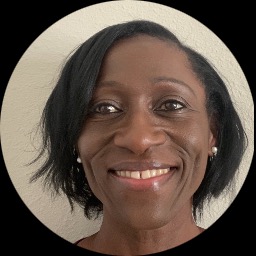
About Marcia
She draws on nine years of professional counseling experience and a clinical background in nursing, including work as a trauma nurse. That mix of nursing and counseling experience helps her understand challenges related to chronic illness, pain, caregiving strain, and the emotional impact of major health events.
Sessions focus on the person's goals and practical steps. She adapts talks and treatment plans to each person’s situation. Techniques come from client-centered conversation, cognitive-behavioral methods to address unhelpful thoughts and behaviors, and solution-focused ideas to set short-term goals.
Marcia aims to make therapy collaborative. She listens for strengths and builds small changes that add up. Topics she commonly addresses include communication problems, isolation or loneliness, guilt and shame, forgiveness, and questions about life purpose.
People often seek her help when chronic health issues, caregiving demands, or life transitions make day-to-day living harder. She frames work around realistic steps for coping and regaining a sense of control.
Areas of expertise
Primary focus
Additional focus areas
Therapeutic approaches
Experience
9+ years
Credentials
Florida
Languages
English
How these approaches guide online therapy
Client-Centered Therapy focuses on listening and reflecting what matters most to the person. The therapist follows the client's lead and helps clarify goals and priorities, which suits issues like life purpose, self-love, and relationship concerns.Cognitive Behavioral Therapy, or CBT, looks at the links between thoughts, feelings, and actions. It teaches practical skills to change unhelpful thinking and behavior, which can help with anxiety, stress, and depression.
Solution-Focused Therapy concentrates on small, achievable steps and on what already works. Sessions often set short-term goals and track progress, which can be useful for coping with life changes and caregiver stress.
Finding the right approach is part of the work. The therapist will collaborate with each person to decide which methods to try based on their needs, goals, and preferences. That choice can change as therapy moves forward.
Confirm the specific session formats offered before booking, since formats are not listed here. Online work can make it easier to fit appointments into a busy schedule, shorten routine check-ins, or avoid travel. It also lets people continue care when health issues or caregiving make being away from home difficult.
Frequently asked questions
What kinds of concerns does Marcia address?
She works with stress, anxiety, depression, relationship issues, self-esteem, motivation, and coping with life changes. Additional focus areas include caregiver stress, chronic pain or illness, and women's issues.
How would you describe her therapeutic style?
Her style is compassionate and respectful with an emphasis on collaborative conversation. She tailors sessions to each person and uses practical steps to meet individual goals.
What is her professional background?
Marcia has nine years of counseling experience and earlier clinical experience as a trauma nurse and in other nursing roles. That background informs her work with health-related concerns.
What credential does she hold and where is she based?
She is a Licensed Mental Health Counselor, LMHC, licensed in Florida, and practices from that region.
Which languages are sessions offered in?
Sessions are offered in English.
Can people outside the U.S. work with her?
She is not currently accepting international clients.
How are fees and payment handled?
Cost varies with location and therapist availability; sessions use a subscription that can be canceled at any time.
What steps are needed to begin therapy?
Use the Start Therapy button, complete a short matching questionnaire, and schedule sessions according to the therapist's availability.