- Mindfulness based
- Goal oriented
- Respectful listening
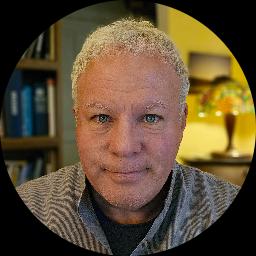
About Mark
He begins by looking for small, practical changes a person can make right away. Those changes often lead to shifts in thinking and then to shifts in feeling. He uses mindfulness exercises and strategies to help people notice unhelpful thoughts and choose different responses.
Mark emphasizes motivation and confidence as part of the work. Sessions typically include talking through current patterns, trying short behavioral experiments, and tracking what does or does not help. He frames therapy as an active process where the person and therapist work together toward concrete goals.
Over nearly three decades he has focused on a wide range of concerns. These include parenting strain, grief, intimacy-related issues, ADHD, compassion fatigue, chronic illness and pain, and problems tied to trauma. He also supports people dealing with mood disorders, obsessive behaviors, addiction processes, and life transitions.
People who choose him can expect a straightforward style and a steady focus on practical steps. He aims to guide rather than direct, helping clients build skills they can use outside sessions. The work is paced to fit each person's needs and goals.
Areas of expertise
Primary focus
Also works with
Additional focus areas
Therapeutic approaches
Experience
28+ years
Credentials
Illinois
Languages
English
How chosen approaches translate to online work
Mark often draws on Cognitive Behavioral Therapy and Mindfulness Therapy in session. CBT involves noticing unhelpful thoughts and testing them through small behavioral experiments to reduce anxiety or depression. Mindfulness Therapy teaches simple attention practices to help people respond more calmly to stress and intrusive memories.Finding the right approach is a collaborative process. The therapist will work with the client to match methods to their goals, needs, and preferences, and will adjust techniques over time if something is not helping.
Session formats are not specified in the biography, so please confirm current options before booking. Online work can make it easier to fit sessions into a busy schedule, shorten check-ins when needed, and allow for therapy without travel time. For some people video is useful for guided exercises and mindfulness practice, while phone sessions can be a simpler option when bandwidth or a shorter check-in is preferred.
Frequently asked questions
What kinds of concerns does he help with?
He works with a wide range of issues including stress, anxiety, depression, trauma, parenting challenges, relationship and intimacy-related concerns, grief, ADHD, and coping with life changes.
How would you describe his therapeutic style?
His style is straightforward and respectful. He focuses on small, practical changes, uses mindfulness and thought-regulation tools, and guides clients toward concrete goals.
What is his clinical background?
He has been working in counseling since 1988, earned a master’s degree in counseling in 1995, and has been an Illinois Licensed Clinical Professional Counselor since 2002.
Where is he located and licensed?
He is located in Illinois and holds an IL LCPC credential.
Which languages are supported for sessions?
Sessions are offered in English.
Can people from other countries work with him?
He does not accept international clients at this time.
How are fees and payment handled?
Cost varies with location and therapist availability; sessions use a subscription that can be canceled at any time.
What should I do to begin therapy?
Choose the Start Therapy button, complete a short matching questionnaire, and schedule a time based on the therapist's availability.