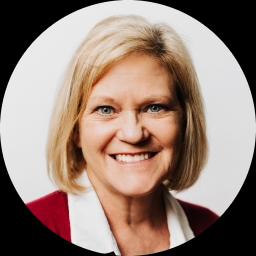
- Client-centered
- CBT and DBT tools
- Focus on life changes
About Marla
She began her work in schools more than 15 years ago and moved into LPC practice in 2018, completing a full transition in 2021. That mix of classroom and clinical experience means she is used to working with a broad age range and with everyday life problems. Her experience includes helping people cope with chronic illness, caregiver stress, cancer, chronic pain, and the emotional fallout of life changes like divorce or adoption and foster care.
Marla blends Client-Centered Therapy with Cognitive Behavioral Therapy and Dialectical Behavior Therapy techniques. She also uses Motivational Interviewing and offers Eye Movement Desensitization and Reprocessing as part of her approach. In sessions she focuses on concrete skills, goal-setting, and improving communication patterns.
Her style is respectful and direct. She works with people to build plans that fit real life. Marla pays attention to decision-making, codependency, commitment issues, and problems with control or boundaries.
People often come for help with substance use, eating and food-related issues, or patterns connected to abandonment and attachment. She supports practical steps toward better coping and clearer goals, and helps people break problems down into manageable pieces.
Areas of expertise
Primary focus
Additional focus areas
Therapeutic approaches
Experience
7+ years
Credentials
Texas
Languages
English
How specific approaches work in remote care
Client-Centered Therapy focuses on listening and building a collaborative relationship, with the therapist following the client's lead to clarify goals and priorities. This approach is helpful for people dealing with life transitions, caregiver stress, and struggles with self-esteem.Cognitive Behavioral Therapy (CBT) targets patterns of thought and behavior with practical exercises and homework. It often helps with anxiety, stress, anger, and addictions by teaching skills to notice thoughts and test new behaviors.
Dialectical Behavior Therapy (DBT) offers concrete coping skills for managing intense emotions, improving emotion regulation, and strengthening interpersonal effectiveness. It can be useful for people who need structured skills to reduce impulsive reactions and improve communication.
Finding the right approach is part of the work together. The therapist will discuss goals, preferences, and daily routines, then tailor methods so they fit the client's needs. That collaborative process helps decide whether more skills practice, motivational interviewing, or EMDR elements are most useful.
If you are considering online therapy, confirm available session options before booking. Online care can make it easier to fit counseling into a busy day, allow shorter check-ins when needed, and remove travel time for appointments. Licensed professionals guide clients on which session rhythm and style will best support steady progress.
Frequently asked questions
What concerns does she help with?
She helps people manage stress, anxiety, addictions, anger, low self-esteem, and coping with life changes. Additional focus areas include chronic pain, caregiver stress, cancer-related concerns, attachment and abandonment issues, and communication problems.
What is her therapeutic style like?
Her approach is person-centered and practical, combining listening with concrete skills work. She uses techniques from CBT and DBT and includes motivational interviewing to support change.
How long has she practiced counseling?
She has seven years as a Licensed Professional Counselor and more than 15 years total working in school counseling and private practice.
Where does she hold her license?
She is a Licensed Professional Counselor in Texas listed as LPC and practices from that state.
Which languages are supported for sessions?
Sessions are offered in English.
Does she work with international clients?
She is not accepting international clients at this time.
How are sessions paid for?
Cost varies with location and therapist availability, and sessions use a subscription model that can be canceled at any time.
How do I start a session with her?
Begin by selecting the Start Therapy button, completing a short matching questionnaire, and then scheduling according to the therapist's availability.