- Stress and anxiety
- Grief and loss
- Aging and caregiving
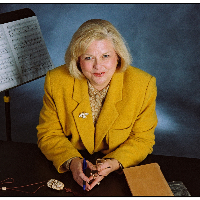
About Marsha
Her work began in hospitals and nursing homes and has included day programs, schools, senior centers, and inpatient units. More recently she has practiced hospice music therapy and has supported people dealing with serious illness and end-of-life concerns. That background informs how she listens for needs around aging, caregiving, and chronic illness.
In sessions she uses cognitive-behavioral ideas to spot unhelpful thinking and to test small behavior changes. She also brings humanistic listening and motivational techniques to help clients connect with their own goals. Expressive approaches such as music therapy are offered when they fit a person’s needs and comfort level.
Marsha helps people work through stress, anxiety, grief, depression, and life transitions. She supports those managing chronic pain, caregiver strain, cancer, or the emotional impact of aging and dementia in a loved one. She also addresses relationship issues, self-esteem, ADHD concerns, and compassion fatigue.
Marsha works in Massachusetts and provides therapy in English. She builds plans with each person’s strengths and daily life in mind. Prospective clients are encouraged to start with a short matching questionnaire and then schedule a session according to availability.
Areas of expertise
Primary focus
Also works with
Additional focus areas
Experience
15+ years
Credentials
Massachusetts
Languages
English
How therapeutic approaches translate to online care
Her practice combines cognitive-behavioral ideas, humanistic listening, and expressive music-based methods. Cognitive-behavioral techniques involve identifying unhelpful thoughts and trying small behavior changes to see what helps in day-to-day life. Humanistic listening focuses on understanding a person’s goals and values and supporting choices that feel meaningful. Expressive approaches such as music therapy use sound or rhythm to access feelings, aid relaxation, or open conversation when words are hard to find.Finding the right approach is part of the work together. The therapist will discuss what feels most useful and adjust methods based on the client’s goals and preferences. That collaborative process helps shape each plan over time rather than imposing a single method up front.
The biography does not specify which session formats are offered, so please confirm current options before booking. In general, online therapy can make it easier to fit sessions into a busy day, remove travel time, and allow shorter check-ins when needed. Some people find phone conversations require less bandwidth and feel easier for quick emotional support, while video can help preserve nonverbal cues during deeper work. Licensed professionals can tailor session length, rhythm, and activities to match what works for a person’s life and symptoms.
Frequently asked questions
What concerns does Marsha commonly address?
She helps people coping with stress, anxiety, grief, depression, and life changes. Her specialties also include caregiver strain, chronic illness, aging-related issues, relationship and self-esteem concerns.
What is her general therapeutic approach?
Her style mixes cognitive-behavioral ideas, humanistic listening, motivational enhancement, and expressive methods like music therapy. She works with each person to create practical steps that fit their life.
How much clinical experience does she have?
She brings 15 years as a counselor plus decades of experience providing music therapy in hospitals, nursing homes, schools, and hospice settings. That range shapes her approach to illness, caregiving, and end-of-life concerns.
What credentials and location are listed?
She holds an MA and is a Licensed Mental Health Counselor, listed as LMHC. Her practice is located in Massachusetts.
Which languages and international options are available?
Sessions are offered in English. International clients are not currently accepted.
What session formats are offered?
The original biography does not specify session formats. Please confirm current session options before booking so you know whether in-person or remote visits are available.
How is cost handled?
Cost varies with location and therapist availability. Sessions use a subscription that can be canceled at any time.
How do I begin working with her?
Start by selecting the Start Therapy button and completing the short matching questionnaire. After that you can schedule sessions based on the therapist's availability.