- Practical coping skills
- Trauma-informed care
- 23 years experience
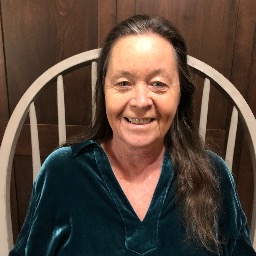
About Mary
Mary meets people where they are and works together on realistic goals. She uses everyday language and concrete skills, not jargon. Sessions commonly include talking through current problems, practicing coping strategies, and trying new ways of handling difficult moments.
Her background includes work in inpatient and community settings, and a private practice maintained since the late 1990s. That experience exposed her to eating disorders, PTSD, mood and personality presentations, and long-term adjustment concerns. She has also worked with people in residential and school settings.
Therapeutic methods Mary draws on include cognitive behavioral approaches, acceptance-based work, dialectical skills, and trauma-focused strategies such as EMDR when appropriate. She adapts techniques to what each person needs and prefers. The aim is to reduce distress and build skills that fit daily life.
Mary earned a Master of Arts in Counseling from Webster University and has supervised other clinicians. She welcomes straightforward conversations about goals and next steps, and she guides people through how therapy might look for them.
Areas of expertise
Primary focus
Also works with
Additional focus areas
Therapeutic approaches
Experience
23+ years
Credentials
North Carolina
Languages
English
How her approaches translate to online work
Acceptance and Commitment Therapy (ACT) focuses on helping people notice what matters to them and take small actions toward those values, while learning to live with difficult thoughts and feelings. Cognitive Behavioral Therapy (CBT) looks at patterns of thought and behavior and teaches concrete strategies to change unhelpful cycles, useful for anxiety, depression, and stress. Eye Movement Desensitization and Reprocessing (EMDR) is a trauma-focused method that works with distressing memories and responses, often used when past events keep causing strong reactions.Choosing the right approach is a shared process. The therapist will talk with clients about their goals, try methods that fit their needs, and adjust as progress is made. Clients and the therapist decide together which techniques feel most helpful.
Confirm current session options before booking, since formats are not listed in the biography. Online therapy can make it easier to fit sessions into a busy week, reduce travel time, and allow shorter check-ins when schedules are tight. It also lets people use techniques and worksheets during the session and then practice them between meetings, making therapy skills more directly applicable to daily life.
Frequently asked questions
What concerns does she help with?
She supports people dealing with stress, anxiety, depression, trauma and abuse, relationship and intimacy issues, addiction, grief, self-esteem, ADHD, bipolar concerns, and challenges linked to health conditions.
What is her general therapy style?
Her style is straightforward and collaborative. She uses clear language, practical exercises, and works with clients to set achievable, everyday goals.
How long has she practiced?
She has been working in counseling since 1995, bringing more than 23 years of clinical experience to her practice.
What credentials and where does she practice?
She holds the LCMHC credential and practices in North Carolina under NC LCMHC standards.
Which languages are used in sessions?
Sessions are offered in English.
Can I see her from another country?
She does not accept international clients at this time.
How are fees and billing handled?
Cost varies with location and therapist availability; sessions are provided through a subscription that can be canceled at any time.
How do I begin working with her?
Click the Start Therapy button, complete a short matching questionnaire, and schedule according to the therapist's availability.