- Person-centered approach
- Practical coping skills
- Relationship focus
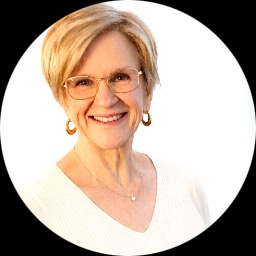
About Mary
Her style is collaborative and person-centered. She listens for what matters most to each person and helps them build on their strengths. Sessions often include learning new ways to talk about problems, practicing clearer communication, and finding steps that fit everyday life.
Dr. Neal draws on several approaches to shape treatment, including cognitive behavioral methods, Acceptance and Commitment Therapy, and attachment-focused work. She adapts techniques to the issue at hand - whether that is rebuilding trust after trauma or reducing overwhelming thoughts and behaviors.
She also brings experience with adoption and foster care, abandonment, caregiver stress, chronic illness and pain, and attachment difficulties. That background informs how she notices patterns in relationships and supports clients in making steady changes.
People who come to her can expect straightforward language, concrete skills to try between sessions, and a steady focus on what the client wants to accomplish. Her work is aimed at helping people cope better, strengthen important relationships, and move forward after difficult events.
Areas of expertise
Primary focus
Additional focus areas
Therapeutic approaches
Experience
26+ years
Credentials
Florida, North Carolina
Languages
English
How therapy approaches translate to online care
Acceptance and Commitment Therapy (ACT) focuses on helping people clarify what matters most to them and take small actions aligned with those values, which can reduce stuck patterns and increase meaning. Cognitive Behavioral Therapy (CBT) looks at the links between thoughts, feelings, and behaviors and teaches practical tools to shift unhelpful thinking and try new behaviors. Attachment-Based Therapy pays attention to how early and adult relationships shape emotional responses and helps people build more secure ways of relating.Finding the right approach is a collaborative process. The therapist will review a person’s goals and preferences, explain options, and try methods that suit the situation. Adjustments are made as progress is tracked so the work stays relevant to what the client wants to change.
Please confirm current session options before booking, as formats are not specified in the biography. Online work can make it easier to fit sessions into a busy week, allow for shorter check-ins when needed, and reduce travel time. It can also let people practice skills in their daily routines and bring relationship patterns into conversation even when partners or family members live apart.
Frequently asked questions
What concerns does Dr. Neal commonly address?
She works with relationship problems, trauma and abuse, parenting challenges, low self-esteem, and coping with life changes. Additional focuses include chronic illness, attachment issues, abandonment, and caregiver stress.
How would you describe her therapeutic style?
Her approach is collaborative and person-centered, using clear language and practical steps. Sessions emphasize listening, skill building, and finding solutions that fit daily life.
How long has she been practicing clinically?
She has 26 years of experience working with adults on a variety of relational and trauma-related concerns.
Where is she licensed and based?
She is a licensed marriage and family therapist (LMFT) practicing in North Carolina and holds licensure in Florida and North Carolina.
Which languages are supported in sessions?
Sessions are offered in English.
Can people outside the United States work with her?
International clients are not currently accepted.
How are fees and payment handled?
Cost varies with location and therapist availability, and sessions use a subscription that can be canceled at any time.
What is the first step to begin therapy?
Use the Start Therapy button, complete a short matching questionnaire, and then schedule according to the therapist's availability.