Therapist listings are provided by BetterHelp. We will earn a commission at no extra cost to you if you use our links to buy.

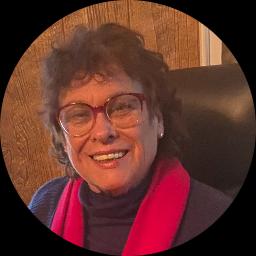
Melody Flannery

Therapist · North Carolina

Melody Flannery, LCMHC

Focused, practical therapy for everyday struggles

Continue with Melody

Review online therapy options on BetterHelp.

  • Goal oriented
  • Short sessions
  • Practical tools

About Melody

Melody Flannery is a licensed clinical mental health counselor with 24 years of experience. She helps people looking for practical ways to lower stress and find more emotional balance. Melody keeps goals small and measurable so progress is clear and steps feel doable. She favors short-term, goal-focused work that fits into busy lives. Sessions often focus on tools for managing anxiety, grief, relationship strain, and changes that come with illness or aging. Melody emphasizes techniques that can lead to quicker relief and less ongoing stress. Her approach is collaborative. She and the client set small, reachable targets and track progress together. That steady, practical focus aims to reduce overwhelm and make therapy feel productive. Melody uses a mix of client-centered methods, cognitive-behavioral strategies, dialectical behavior ideas, mindfulness, and motivational interviewing. Those methods are used to address concerns such as body image, attachment struggles, chronic pain or illness, caregiver stress, and coping after loss. She offers early morning weekend appointments and many clients choose weekly 45-minute sessions. To begin, people complete a short matching questionnaire and schedule a first session through the platform. Melody encourages anyone seeking help to find the right fit and start the work that helps them feel steadier.

Areas of expertise

Additional focus areas

AbandonmentAging and geriatric issuesAttachment issuesAutism and Asperger SyndromeAvoidant personalityBody imageCancerCaregiver issues and stressChronic pain, illness, and disabilityCo-morbidityCodependencyCommitment issuesCommunication problemsControl issuesCoping with natural or human-caused disasterDependent personalityDisruptive Mood Dysregulation Disorder (DMDD)Divorce and separationDrug and alcohol addictionEating and food-related issuesEmptinessFamily of origin issuesFamily problemsGuilt and shameHearing impairedHIV / AIDSHoardingHospice and end-of-life counselingImpulsivityInfidelityIntellectual disabilityIsolation / lonelinessLife purposeMen's issuesMidlife crisisVeteran and Armed Forces IssuesMoney and financial issuesMood disordersMulticultural concernsNarcissismObsessions, compulsions, and OCDPanic disorder and panic attacksPersonality disordersPost-traumatic stressPrejudice and discriminationSeasonal Affective Disorder (SAD)Self-harmSmoking / vaping cessationSocial anxiety and phobiaTraumatic brain injuryTrichotillomaniaVisually impairedWomen's issuesWorkplace issues

Therapeutic approaches

Client-Centered TherapyCognitive Behavioral Therapy (CBT)Dialectical Behavior Therapy (DBT)Mindfulness TherapyMotivational InterviewingSolution-Focused TherapyTrauma-Focused Therapy

Experience

24+ years

Credentials

North Carolina

Languages

English

How these approaches can work online

Client-centered therapy focuses on your goals and your experience. The therapist listens carefully and shapes sessions around what you say matters most. This approach helps when someone needs space to be heard and to set personal priorities.

Cognitive Behavioral Therapy, or CBT, looks at how thoughts, feelings, and actions connect. It teaches simple exercises and experiments to test unhelpful thoughts and try new behaviors. CBT often helps with anxiety, low mood, and coping with illness-related worries.

Dialectical Behavior Therapy, or DBT, includes skills for emotion regulation, distress tolerance, and clearer communication. These techniques are useful when strong emotions or relationship conflicts make daily life harder.

Finding the right approach is part of the work. The therapist will talk with the client about goals, preferences, and what has or hasn't helped before. Together they choose strategies and adjust them over time so sessions stay useful and relevant.

Confirm the available session options before booking, since formats were not specified in the biography. Online therapy can make it easier to fit appointments into a busy schedule, allow for quieter surroundings or shorter check-ins, and reduce travel time. Many people find remote sessions helpful for keeping steady progress while managing other life demands.

Frequently asked questions

What concerns does Melody address?

She works with stress, anxiety, relationship strain, grief, low self-esteem, and coping with life changes. Additional focuses include chronic illness, caregiver stress, attachment and abandonment issues, body image, and aging challenges.

What is her therapy style like?

Her style is practical and collaborative with small measurable goals. Sessions emphasize concrete tools you can use between meetings to reduce angst and build steady progress.

How much experience does she have?

She has 24 years of clinical experience working with a range of emotional and life challenges.

What credentials and location are listed?

She holds the credential LCMHC, which stands for Licensed Clinical Mental Health Counselor, and practices in North Carolina.

Which languages are supported and are international clients accepted?

Sessions are offered in English. International clients are not currently accepted.

What session formats are available?

The original biography does not specify session formats beyond scheduling notes, so confirm current options through the platform before booking.

How are costs handled?

Cost varies by location and therapist availability. Sessions use a subscription model that can be canceled at any time.

How do I begin working with her?

Click the Start Therapy button, complete a short matching questionnaire, and schedule according to the therapist's available times.

Back to all therapists

Melody FlanneryReview online therapy options on BetterHelp.

Continue with Melody