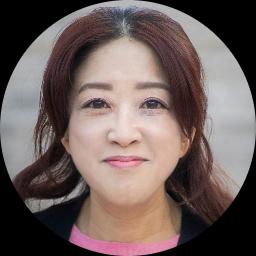
- LMHC in New York
- Korean speaking
- 10 years experience
About Mi
She works with adults and children on challenges such as anger, self-esteem, life transitions, family conflict, and parenting strain. The profile also notes support for concerns like addiction, grief, intimacy issues, sleeping problems, and ADHD. Chronic health issues and caregiver stress are included among her additional focus areas.
Her clinical style blends practical skills and reflective conversation. She uses Cognitive Behavioral Therapy to identify and change unhelpful thinking and behavior. She also draws on Dialectical Behavior Therapy strategies for emotion regulation and distress tolerance.
Attachment-Based and Client-Centered approaches guide how she builds a therapeutic relationship and explores relational patterns. That work often looks at abandonment, family of origin concerns, and communication problems.
People can expect a mix of skill-building and deeper processing. Mi Jung supports clients through changes such as divorce, career shifts, or managing chronic pain and illness. She aims to help clients find clearer choices and more manageable day-to-day routines.
Areas of expertise
Primary focus
Also works with
Additional focus areas
Therapeutic approaches
Experience
10+ years
Credentials
New York
Languages
Korean
How certain approaches translate into online work
Acceptance and Commitment Therapy (ACT) helps people clarify personal values and take small steps toward them. It uses mindfulness and action planning to cope with stress, chronic illness, and life changes. Cognitive Behavioral Therapy (CBT) focuses on spotting unhelpful thoughts and trying new behaviors. It is often used for anxiety, depression, sleep problems, and managing daily routines.Finding the right approach is collaborative. The therapist will talk with the client about goals, symptoms, and what feels most helpful. Together they adjust techniques and pace so the work fits the person's needs and life situation.
Confirm current session options before booking since formats are not specified here. Online therapy can make it easier to fit sessions into a busy week, cut commute time, and maintain continuity during health flares or travel. It can also allow shorter check-ins or sessions without video when that helps someone keep regular contact. Licensed professionals can adapt ACT and CBT exercises to remote sessions so skill practice, tracking, and homework remain practical and useful.
Frequently asked questions
What concerns does she address related to health challenges?
She supports people coping with chronic pain, chronic illness, caregiver stress, and the emotional impact of long-term health conditions alongside common issues like anxiety and depression.
What is her general therapeutic style?
Her style blends skill teaching and reflective talk. She focuses on practical tools plus exploring patterns that keep problems going.
What is her experience and background?
She has worked in mental health for 10 years and holds a New York LMHC credential. That background includes work with trauma, relationship issues, and mood concerns.
Where is the therapist licensed and based?
She is licensed as an LMHC in New York and provides services tied to that practice location.
Which languages are supported in sessions?
Sessions are offered in Korean and in English.
Can international clients work with her?
She does accept international clients, so people outside the U.S. can inquire about working together.
How are fees and payment handled?
Cost varies with location and therapist availability; sessions use a subscription model that can be canceled at any time.
How does someone get started?
Start by selecting the Start Therapy button, complete a short matching questionnaire, and then schedule a session according to the therapist's availability.