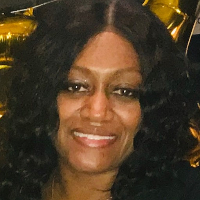
- 20 years experience
- Focus on coping skills
- Works with chronic illness
About Monica
Her style is straightforward and collaborative. She listens first, then helps clients set small, achievable goals. Conversations focus on what feels most urgent and what can change in day-to-day life. Monica uses techniques that teach coping skills and encourage steady progress rather than quick fixes.
She draws from several evidence-informed approaches including Acceptance and Commitment Therapy, Cognitive Behavioral Therapy, and Client-Centered Therapy. Monica also uses motivational interviewing and solution-focused methods to support behavior change and clarify priorities. These methods are adapted to each person’s needs and circumstances.
Monica has worked in Maryland for many years and has helped people facing complex, overlapping concerns such as chronic pain, caregiver stress, body image issues, and co-morbid conditions. She aims to make therapy practical and relevant to real life. Clients can expect a respectful, down-to-earth process that centers their goals and values.
If someone wants to begin, the first step is a short matching questionnaire and scheduling through the site. She communicates in English and does not take international clients.
Areas of expertise
Primary focus
Also works with
Additional focus areas
Therapeutic approaches
Experience
20+ years
Credentials
Maryland
Languages
English
How therapy approaches fit into online care
Acceptance and Commitment Therapy (ACT) focuses on clarifying values and taking small actions that matter. It helps people live in line with what they care about, even when difficult emotions or health problems are present. Cognitive Behavioral Therapy (CBT) looks at how thoughts, feelings, and behaviors interact. It includes practical exercises to reduce anxiety, manage mood, and change unhelpful habits. Client-Centered Therapy centers the conversation on the client's experience and priorities, offering empathic listening and support while the person explores solutions.Choosing the right approach is a collaborative process. The therapist will discuss goals, preferences, and day-to-day challenges to decide which methods make the most sense. This allows pacing and techniques to be adjusted as progress unfolds.
Confirm the available session formats before booking so you know what will be offered. Online therapy can make it easier to fit appointments into a busy life, eliminate travel time, and allow shorter check-ins when a quick touchpoint helps. It also gives flexibility for sessions when illness, caregiving, or work schedules make in-person meetings difficult. Discuss practical needs with the therapist during the matching process to find an approach and schedule that work for everyday life.
Frequently asked questions
What kinds of concerns does Monica help with?
She supports people dealing with stress, anxiety, depression, addictions, relationship and family issues, grief, identity questions, and challenges tied to chronic illness and caregiving.
How would you describe her therapeutic style?
Her approach is collaborative and practical. She listens closely, helps set small goals, and uses hands-on strategies to improve daily coping and communication.
What background and experience does she bring?
Monica has about 20 years of clinical experience working with a wide range of concerns, including chronic pain, caregiver stress, and overlapping mental health issues.
What credentials and location are on file?
She holds an LCSW-C license in Maryland and practices there.
Which languages are supported for sessions?
Sessions are offered in English.
Can people outside the United States work with her?
International clients are not currently accepted.
How are costs and billing handled?
Cost varies with location and therapist availability; sessions use a subscription that can be canceled at any time.
What are the first steps to begin working together?
Use the Start Therapy button, complete a short matching questionnaire, and schedule according to the therapist's availability.