- Client-centered care
- Skills-based tools
- Mindfulness practice
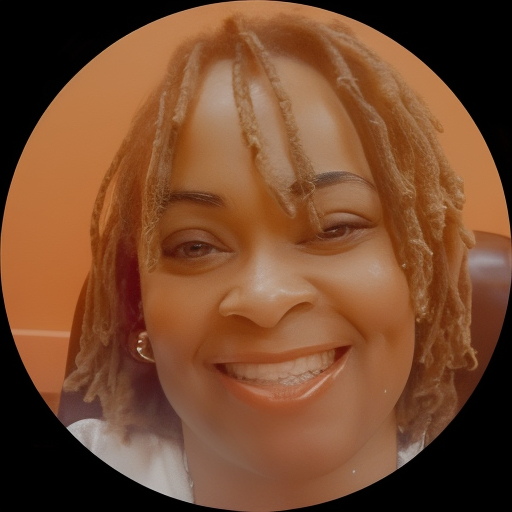
About Monique
She builds sessions around each person's needs and goals. She listens for what matters most, then helps people set short-term steps they can try between meetings. Conversations tend to be practical and down-to-earth, aimed at easing day-to-day strain and improving coping skills.
Monique draws on client-centered work to follow each person’s pace and priorities. She also uses cognitive behavioral methods to spot and change unhelpful thinking patterns. Dialectical behavior strategies and mindfulness tools are used where they fit the problem and the person.
Her background includes many years helping people manage caregiver stress, issues tied to health concerns such as cancer, and the unique stressors that affect first responders and veterans. She also supports people navigating attachment wounds, abandonment fears, and feelings of isolation.
Sessions are meant to help people rebuild self-worth, handle big emotions, and find more steady ways of coping. To begin, people complete a short matching questionnaire and schedule sessions based on the therapist's availability. The subscription used for sessions can be canceled at any time.
Areas of expertise
Primary focus
Additional focus areas
Therapeutic approaches
Experience
17+ years
Credentials
Delaware, Florida, Virginia
Languages
English
How her approaches translate to online work
Client-centered therapy focuses on following the person's lead and building a respectful, nonjudgmental conversation. It helps when someone needs a space to be heard and to make their own decisions about change.Cognitive behavioral therapy, or CBT, looks at the links between thoughts, feelings, and actions. It gives practical exercises to try between sessions for issues like anxiety, depression, and unhelpful thinking patterns.
Dialectical behavior therapy, DBT, brings skills for managing strong emotions, improving distress tolerance, and handling interpersonal challenges. Mindfulness tools are also used to increase present-moment awareness and reduce reactivity.
Choosing the right mix of these approaches is a collaborative process. The therapist will work together with each person to figure out what methods match their goals and comfort level, and will adjust the plan as progress is made.
The biography does not list specific session formats, so confirm available options before booking. Online work can make it easier to fit sessions into a busy week, reduce travel time, and allow shorter check-ins when schedules are tight. It can also be helpful for maintaining continuity of care when life or health challenges make in-person visits difficult.
Frequently asked questions
What kinds of concerns does Monique help with?
She supports people dealing with stress, anxiety, grief, anger, low self-esteem, and depression, plus related issues such as caregiver stress, cancer-related concerns, and isolation.
What is her therapeutic style like?
Her style is listening-first and practical. She follows a client-centered approach while offering concrete tools from CBT, DBT, and mindfulness when helpful.
How much experience does she have?
She has 17 years of clinical experience working with people facing a range of emotional and life stressors.
What credentials and location are listed?
She is an LCSW and practices in Florida; the credential is listed as LCSW with ties to VA and FL licensure records.
Which languages are supported and can international clients join?
Sessions are offered in English. International clients are not currently accepted.
What session formats are available?
The original biography does not specify session formats, so please confirm current session options with the provider before booking.
How does pricing work?
Cost varies with location and therapist availability; sessions use a subscription that can be canceled at any time.
How do I start working with her?
Click the Start Therapy button, complete a short matching questionnaire, and then schedule sessions according to the therapist's availability.