- Managing stress
- Working through grief
- Strengthening coping
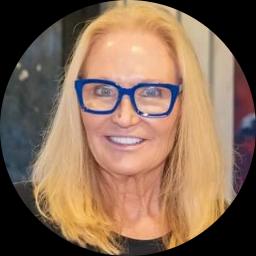
About Pamela
Her work emphasizes clear, direct conversation about what is happening now. She helps people understand their reactions, build better communication skills, and find ways to cope that fit their lives. Sessions aim to strengthen resilience and reduce the patterns that keep problems stuck.
Pamela draws on several therapy approaches to match what each person needs. She uses techniques that teach new skills, help process difficult events, and improve relationships. Treatment plans are shaped around a person’s goals rather than a single method.
She has particular experience supporting people facing chronic pain, long-term illness, caregiver stress, aging issues, and compassion fatigue. Pamela also addresses concerns such as trauma, addictions, body image, and career or life transition stress. Her practice includes attention to how past attachment patterns affect present relationships.
Clients can expect a calm, focused space for working through hard problems. Pamela aims to help people leave sessions with concrete ideas they can try between meetings. For newcomers she emphasizes small, steady changes that add up over time.
Areas of expertise
Also works with
Additional focus areas
Therapeutic approaches
Experience
30+ years
Credentials
Florida
Languages
English
How therapy approaches guide online care
Acceptance and Commitment Therapy (ACT) helps people clarify their values and take small steps toward them while learning to live with difficult thoughts or feelings. It can be useful for depression, anxiety, chronic illness adjustment, and life transitions. Cognitive Behavioral Therapy (CBT) focuses on noticing unhelpful thinking and behavior patterns and practicing concrete skills to change them, which often helps with anxiety, sleep problems, and low mood. Attachment-Based Therapy looks at how early relationship patterns affect current connections and communication, and it helps people form more secure ways of relating.Finding the right approach is part of the work. The therapist will talk with each person about goals, struggles, and what methods feel most useful. That collaborative process helps shape a plan that fits daily routines and real-life demands rather than a one-size-fits-all method.
The biography does not list specific session formats, so confirm which options are available before booking. Online therapy can make it easier to fit sessions into a busy week, reduce travel time, and allow check-ins that are shorter when needed. Many people find it simpler to try a method between meetings and bring questions back to the next session, which helps practice new skills in everyday life.
Frequently asked questions
What kinds of problems does she address?
She works with a wide range of concerns including anxiety, depression, trauma and abuse, grief, parenting strain, relationship and communication problems, chronic illness and caregiver stress.
What is her general approach in sessions?
She uses straightforward conversation and practical techniques to help people build coping skills, improve communication, and manage emotions in day-to-day life.
How much clinical experience does she have?
She has 30 years of experience as a licensed clinical social worker offering long-term and short-term support across many life stages.
Where is she licensed and based?
She is a licensed clinical social worker (LCSW) practicing in Florida.
Are sessions available in other languages or countries?
Sessions are offered in English and she accepts international clients.
Which session formats are offered?
The original biography does not specify session formats, so please confirm current session options before booking.
How are fees and payment handled?
Costs vary with location and therapist availability; sessions use a subscription model that can be canceled at any time.
How do I begin working with her?
Choose the Start Therapy button, complete the short matching questionnaire, and then schedule according to therapist availability.