- Warm listening
- Goal focused
- Practical steps
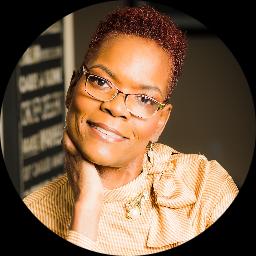
About Patricia
With 19 years of professional experience in North Carolina, she brings steady practical support for concerns like trauma and abuse, low self-esteem, motivation, and relationship strain. She also assists people living with chronic pain, illness, or disability who need ways to manage daily challenges.
In sessions she uses conversational, goal-focused methods to break problems into manageable steps. She listens for each person's priorities and helps set small, realistic goals to test new ways of responding. Trish draws on approaches that encourage self-reflection and practical change rather than long lists of techniques.
People who are dealing with grief, caregiving stress, anger, or career transitions often seek her guidance. She also supports those navigating ADHD, bipolar mood challenges, addiction recovery, and issues tied to family history and attachment.
Her style is steady and respectful, aiming to help clients feel heard and clearer about what to try next. To begin, she encourages a simple first step: describing what is most urgent and what would feel different if things improved.
Areas of expertise
Also works with
Additional focus areas
Therapeutic approaches
Experience
19+ years
Credentials
North Carolina
Languages
English
Using therapy approaches that fit your life online
Client-Centered Therapy focuses on listening closely and following the person's lead to build trust and clarity. It helps when someone needs a supportive place to talk and to figure out what matters most to them.Cognitive Behavioral Therapy, or CBT, looks at how thoughts, feelings, and actions connect and teaches practical steps to change unhelpful patterns. It is often useful for anxiety, depression, and managing stress in day-to-day life.
Finding the right approach is part of the work. The therapist will collaborate with each person to decide which methods feel most useful, and will adjust the plan based on goals and progress. That partnership helps make sure sessions match practical needs and personal preferences.
Confirm current session options before booking so you know what formats are available. Online therapy can make it easier to fit appointments into a busy schedule, reduce travel time, and allow for shorter or more frequent check-ins when needed. It can also let someone join from a quieter location or avoid camera use if that helps them focus. Talk with the therapist about what will work best for scheduling and the style of sessions desired.
Frequently asked questions
What concerns does Trish often help with?
She works with people dealing with stress, anxiety, depression, trauma and abuse, relationship and family issues, grief, parenting strain, and challenges like ADHD and bipolar.
What therapy style can I expect in sessions?
Sessions are conversational and client-centered, focusing on what matters to the person. She mixes practical techniques with exploration of underlying patterns to help create change.
What background does she bring to sessions?
Trish has 19 years of professional experience working with a wide range of emotional and life stresses and brings steady support for practical coping.
Where is she licensed and practicing?
She is licensed in North Carolina as an LCSW and practices with that credential in that state.
Which languages are used in sessions?
Sessions are offered in English.
Are international clients supported?
She is not accepting international clients at this time.
How are fees and billing handled?
Cost varies with location and therapist availability; sessions use a subscription that can be canceled at any time.
How do I get started with therapy?
Click the Start Therapy button, complete a short matching questionnaire, and schedule according to therapist availability.