- Integrative approach
- 16 years experience
- Supports loss and change
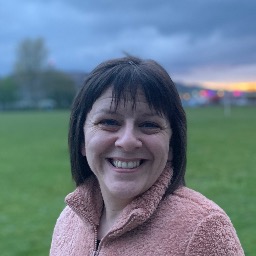
About Paula
Her early work as a bereavement support volunteer shaped her approach and led her into formal training. She trained as an integrative counsellor, drawing on person-centred and psychodynamic ideas to focus on the therapeutic relationship. In 2020 she added cognitive behavioural therapy, and she now blends these methods to match what each client needs.
Paula has experience in a range of settings including GP practice, the NHS, charities, community counselling services, private practice and employee assistance programmes. That variety has given her practical insight into everyday pressures and how they affect mood, sleep and relationships.
People come to her for many concerns such as anxiety, depression, grief, relationship and intimacy issues, stress, addiction, ADHD and coping with chronic illness or caregiving responsibilities. She also supports issues linked to adoption, attachment, body image and ageing.
Sessions are collaborative and paced to the individual. Paula emphasises listening first, then helping people notice patterns and try small, manageable changes. Whatever route is chosen, the work is done together and shaped around the client’s goals and values.
Areas of expertise
Primary focus
Also works with
Additional focus areas
Therapeutic approaches
Experience
16+ years
Credentials
BACP · United Kingdom, NCPS · United Kingdom
Languages
English
Approaches that translate to online work
Attachment-based work focuses on how early relationships shape expectations of others and of oneself; it helps people understand patterns in close relationships and feel safer in connecting. Client-centred therapy places the person at the heart of the session, with the counsellor offering listening, acceptance and gentle reflection to help people find their own solutions. Cognitive behavioural therapy (CBT) looks at practical links between thoughts, feelings and actions and uses short, focused steps to change unhelpful patterns.Finding the right approach is part of the therapy process. The therapist will work collaboratively to choose methods that fit the client’s needs, goals and preferences. That decision can change over time as goals evolve and new issues arise.
The biography does not list specific session formats, so please confirm options before booking. Online work can make it easier to fit sessions into a busy week, reduce travel time and allow check-ins during a lunch break or between commitments. It also makes it possible for people who live further away or abroad to work with registered or accredited professionals in the United Kingdom, while keeping the session focused on practical next steps and the personal goals agreed with the therapist.
Frequently asked questions
What issues can Paula help with?
She works with a wide range of concerns including anxiety, depression, grief, stress, relationship and intimacy issues, addictions, ADHD and coping with chronic illness and caregiving stress.
What is her therapeutic style like?
Her style is collaborative and person-centred, focused on building a trusting relationship and helping clients notice patterns and try manageable changes.
How much practical experience does she have?
She has 16 years of experience, beginning with bereavement support volunteering and extending to roles in GP practice, the NHS, charities and private practice.
What credentials does she hold and where does she practise?
She is listed with BACP and NCPS and practises in the United Kingdom.
Can sessions be held in languages other than English?
Sessions are offered in English.
What session formats are available?
The original biography does not list specific session formats, so please confirm current session options before booking.
How are fees handled?
Cost varies with location and therapist availability; sessions use a subscription that can be cancelled at any time.
How do I start working with Paula?
Select the Start Therapy button, complete a short matching questionnaire, and schedule according to therapist availability.