- Trauma informed
- Health challenges
- Family concerns
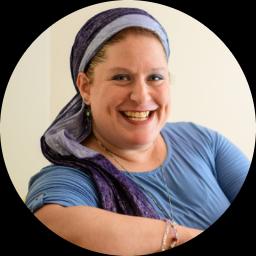
About Rachel
She has practiced in private settings and in medical environments such as hospitals, hospice, and nursing homes. That background gives her experience with people coping with chronic illness, cancer, caregiving strain, and aging concerns. Rachel aims to listen first and help people find usable steps forward.
Rachel uses approaches that include Eye Movement Desensitization and Reprocessing, which she applies when trauma or painful memories are part of the problem. She pairs clinical techniques with practical problem solving for everyday life stressors. Sessions tend to focus on clear goals and gradual progress.
Her work also includes helping people address family of origin issues, blended family tensions, communication difficulties, and intimacy-related concerns. She supports people navigating identity and LGBT questions, as well as those managing ADHD, anger, or low self-esteem.
Rachel speaks English and Hebrew. She sees therapy as a collaborative process and encourages people to notice small changes that add up. To begin, she asks clients to share what matters most and then shapes a plan around their needs and pace.
Areas of expertise
Primary focus
Also works with
Additional focus areas
Therapeutic approaches
Experience
22+ years
Credentials
Illinois
Languages
English, Hebrew
How EMDR and practical therapy work online
EMDR, or Eye Movement Desensitization and Reprocessing, is a method that helps people process distressing memories and reduce their emotional impact. It uses guided attention and focused recall to help the brain update how memories feel and respond in daily life.Alongside EMDR, Rachel emphasizes clear problem solving and goal-focused talk therapy. That work looks at concrete steps for managing stress, improving communication, and coping with chronic illness or caregiving demands. Sessions often mix reflection with practical homework the client can try between meetings.
Finding the right approach is collaborative. The therapist and client will talk about symptoms, goals, and preferences, and agree on methods that feel manageable. Adjustments happen over time so the work fits the person's needs.
The specific session formats Rachel uses are not listed here, so please confirm current options before booking. Online therapy can make it easier to fit appointments into a busy schedule, allow shorter check-ins when needed, and reduce travel time for people dealing with health challenges. Licensed professionals can adapt EMDR and talk-based work to remote settings, helping people keep momentum while balancing everyday life.
Frequently asked questions
What kinds of problems does Rachel help with?
She works with stress, anxiety, depression, grief, trauma and abuse, relationship and family concerns, LGBT issues, parenting and intimacy-related problems among other life challenges.
What is her general therapy style?
Rachel combines trauma-focused methods with practical, problem-solving work and a respectful, compassionate stance. Sessions emphasize listening, goal-setting, and steps people can try between meetings.
How long has she been practicing?
She has 22 years of professional experience in private practice and in medical settings including hospitals, hospice, and nursing homes.
Where is she licensed and based?
She is an Illinois LCSW, which means she holds the Licensed Clinical Social Worker credential in Illinois.
Which languages are offered for sessions?
Sessions are offered in English and Hebrew.
Can international clients work with her?
She does not accept international clients at this time.
How are fees and billing handled?
Costs vary with location and therapist availability; sessions use a subscription that can be canceled at any time.
How do I begin working together?
Use the Start Therapy button, complete the short matching questionnaire, and then schedule sessions based on the therapist's availability.