- Practical goal setting
- Compassionate listening
- Relationship focus
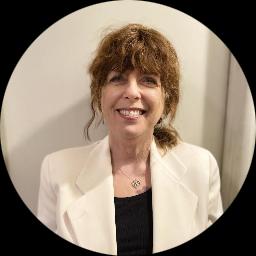
About Rebecca
Rebecca tailors conversations and treatment plans to fit each person’s needs. She listens closely to what matters most and works alongside clients to set realistic goals. Sessions focus on practical steps clients can use between meetings to manage symptoms and improve relationships.
Her work draws on attachment-based ideas to look at how early bonds affect present relationships. She also uses client-centered methods to keep the person’s perspective central, and cognitive behavioral techniques to change unhelpful thinking and behavior patterns.
Rebecca has a long history supporting people facing added life strain, including chronic pain, illness, cancer, caregiver stress, aging issues, and the effects of trauma or disaster. She also helps with issues like body image, codependency, communication problems, and commitment fears.
People who choose her often want a practical, steady approach that weighs both feelings and actions. Rebecca aims to empower clients to make changes that fit their daily lives. To begin, she asks about current struggles, what has helped before, and what clients hope to change.
Areas of expertise
Primary focus
Additional focus areas
Therapeutic approaches
Experience
35+ years
Credentials
California
Languages
English
How these approaches guide online work
Attachment-Based Therapy looks at how early relationships shape current patterns. It helps when trust, closeness, or fear of abandonment affect daily life and intimate connections. Client-Centered Therapy centers the person’s own goals and experience, giving space for people to be heard and understood as they decide what change should look like. Cognitive Behavioral Therapy (CBT) focuses on identifying unhelpful thoughts and behaviors and practicing new skills to reduce symptoms like anxiety or low mood.Finding the right approach is part of the work. The therapist will discuss options and collaborate on a plan based on the client’s needs, goals, and preferences. That means trying methods that fit the person’s priorities and adjusting them over time when something isn’t working.
If you are considering online sessions, confirm the current session options before booking. Online therapy can make it easier to fit meetings into a busy schedule, allow shorter check-ins when needed, and remove the time spent traveling to an office. Some formats use less bandwidth or let clients choose whether to be on camera, which can help on days when energy or focus is limited. Ask the therapist about the formats offered so you can pick what works best for your routine.
Frequently asked questions
What concerns does Rebecca commonly address?
She helps people with stress, anxiety, addictions, relationship and intimacy issues, and depression, along with related areas like caregiver stress, chronic illness, and body image.
What is her therapeutic style like?
Her work is collaborative and practical. She blends attachment-based thinking, client-centered care, and cognitive behavioral techniques to focus on real-life changes.
How much experience does she have?
She has practiced for 35 years, working across a range of concerns from anxiety and depression to long-term health and caregiver challenges.
Where is she licensed and based?
She is a California licensed marriage and family therapist (LMFT) practicing in California.
Which languages are supported for sessions?
Sessions are offered in English.
Does she see clients outside the United States?
She is not accepting international clients at this time.
How are sessions paid for?
Cost varies by location and therapist availability; sessions use a subscription that can be canceled at any time.
How do I begin working with her?
Click the Start Therapy button, complete a short matching questionnaire, and schedule according to therapist availability.