- Stress and anxiety
- Grief and loss
- Mindfulness-based work
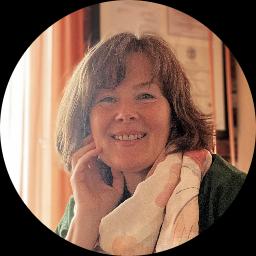
About Rusne
She trained to a BSc level in integrative counselling and psychotherapy and is registered with the British Association for Counselling and Psychotherapy, BACP. Before private practice she spent four years in the voluntary sector, offering counselling to people facing substance misuse, depression, trauma and bereavement. That work shaped her approach to early life issues and how they affect current feelings and behaviour.
Rusne uses a mixture of techniques that draw attention to the body as well as thoughts and emotions. She describes her method as dynamic, creative and experiential, and often uses mindfulness and core process ideas to help people notice physical sensations and inner experience. Sessions typically focus on uncovering patterns, building new coping skills and setting small, practical goals.
She works collaboratively, checking progress and adapting sessions to fit each person’s aims. People may come for short-term help or longer work, depending on their needs. Sessions are described as tailored and reviewed regularly so the plan stays relevant.
Rusne offers counselling in English and Lithuanian and practices from the United Kingdom. To begin, clients use the site questionnaire and scheduling tools to match and book time with her.
Areas of expertise
Primary focus
Additional focus areas
Experience
6+ years
Credentials
BACP · United Kingdom
Languages
English, Lithuanian
How Rusne’s approaches work online and in sessions
Rusne commonly draws on mindfulness practices and core process ideas to guide people through emotional and bodily experience. Mindfulness work helps people notice thoughts and feelings without judging them, which can reduce reactivity and improve focus. Core process concepts encourage paying attention to bodily sensations and early patterns to understand how past events shape current reactions.Finding the right approach is part of the work together. The therapist will discuss options with each client and adapt techniques to match their goals and comfort level. This is a collaborative process that includes regular review so the approach evolves as needs change.
Practical benefits of online therapy depend on the session formats offered. The biography does not specify formats, so confirm current session options before booking. In general, online work can make it easier to fit counselling into a busy week, reduce travel time and allow shorter check-ins when needed. It also makes it simpler to maintain continuity of support when life or health circumstances make in-person attendance difficult.
Frequently asked questions
What issues does Rusne commonly help with?
She supports people with stress, anxiety, relationship difficulties, grief and low self-esteem, plus related concerns such as chronic pain, body image and loneliness.
How would you describe her therapeutic style?
Her style is integrative, creative and experiential, using a mix of techniques that invite people to notice thoughts, feelings and bodily sensations.
What background does she bring to counselling?
She has six years of experience and spent four years providing voluntary sector counselling, working with people facing substance misuse, trauma and bereavement.
What professional credential does she hold and where is she based?
She is registered with the British Association for Counselling and Psychotherapy, BACP, and practises in the United Kingdom.
Which languages are sessions offered in?
Sessions are offered in English and Lithuanian.
Can people outside the UK work with her?
International clients are not currently accepted; sessions are offered to people based in the United Kingdom.
How are fees handled for sessions?
Cost varies with location and therapist availability and sessions use a subscription that can be cancelled at any time.
What are the first steps to begin counselling?
Use the Start Therapy button, complete the short matching questionnaire, then schedule sessions according to the therapist's availability.