- Stress and anxiety
- Relationship support
- Career and self esteem
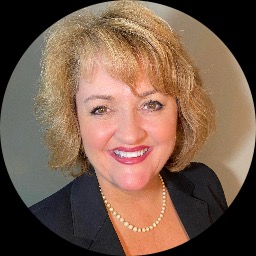
About Sara
Many clients come for stress, anxiety, relationship concerns, self-esteem, or career questions. She also supports issues such as chronic pain and illness, caregiver stress, attachment and abandonment worries, body image, and isolation. Her work is aimed at helping people become more confident and motivated in daily life.
Her style centers on listening first and then building tools together. Sessions often involve examining thought patterns, practicing new skills, and addressing painful memories when needed. She uses a mix of approaches to match what each person needs in the moment.
Dr. Lewis-Stankus describes therapy as a teamwork process. She helps people identify what holds them back and then runs through manageable steps to change those habits. Conversations are straightforward and focused on real-life solutions.
She practices from West Virginia and offers services in English. People seeking help can expect a calm, steady presence and a focus on tangible progress rather than labels or judgment.
Areas of expertise
Primary focus
Additional focus areas
Therapeutic approaches
Experience
26+ years
Credentials
West Virginia, California, Florida
Languages
English
Therapeutic approaches and how they translate to online work
Client-centered therapy focuses on listening and responding to what matters most to the person. It helps people explore values, set goals, and try new ways of handling problems. Cognitive Behavioral Therapy, or CBT, looks at thoughts and habits that keep problems going and teaches concrete techniques to change those patterns. Dialectical Behavior Therapy, or DBT, emphasizes building skills for regulating emotions, tolerating stress, and improving communication.Choosing the right approach is a collaborative process. The therapist will work with the client to identify goals, try methods that match those goals, and adjust the plan when something is not working. That means sessions can shift between talking, skill practice, and problem-solving based on progress and preference.
The therapist's biography did not list specific online session formats, so confirm the available options before booking. In general, remote sessions can make it easier to fit therapy into a busy life by removing travel time or allowing shorter check-ins during a work break. They can also allow continued contact when health issues or caregiving duties make leaving home difficult. Ask about which formats are offered and how scheduling works to find a good fit.
Frequently asked questions
What concerns does she address?
She works with stress, anxiety, relationships, self-esteem, career questions, and coaching. Additional focuses include chronic pain and illness, caregiver stress, attachment and abandonment issues, body image, and loneliness.
What is her general therapeutic style?
Her style is client-centered and collaborative. She listens first, then helps build practical skills and strategies tailored to each person's goals.
How much experience does she have?
She has 26 years of professional experience helping people work through personal challenges and change unhelpful patterns.
What credentials and region should I know about?
She holds LPC and LMHC credentials and practices in West Virginia with licensing noted as WV LPC and FL LMHC.
Which languages are supported and can international clients connect?
Sessions are offered in English, and she accepts international clients.
What session formats are available?
The original biography does not specify session formats. Confirm current session options with the service before booking to know what is offered.
How is cost handled?
Cost varies with location and therapist arrangements, and sessions use a subscription that can be canceled at any time.
How do I begin working together?
Click the Start Therapy button, complete a short matching questionnaire, and schedule according to the therapist's availability.