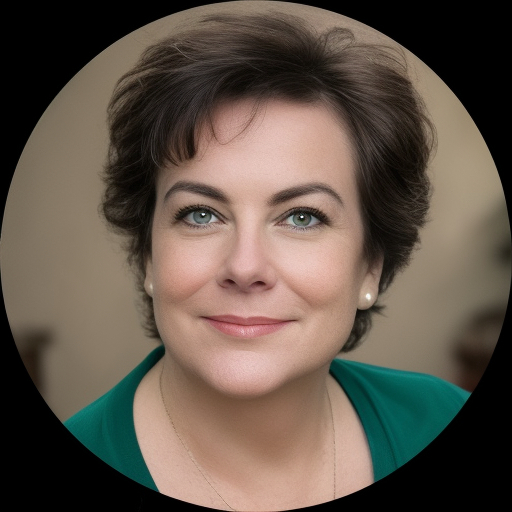
- 35 years experience
- Spiritual counseling optional
- Focus on resilience
About Sarah
Her style emphasizes an open, nonjudgmental space where clients can speak honestly about what matters most. Sessions focus on identifying strengths and building skills for handling hard moments. She pays attention to motivation and confidence, and she helps people find ways to keep moving forward.
Sarah draws on several well-known approaches to therapy. She uses attachment-based ideas to look at how past connections affect current relationships. Cognitive behavioral techniques help people notice and change unhelpful thinking and behavior patterns. She also uses client-centered methods to follow the client's lead and motivational interviewing to support readiness for change.
Over the years she has worked with people dealing with intimacy concerns, addictions, caregiver stress, and life changes such as divorce or grief. Sarah also supports clients coping with serious medical issues like cancer, and people facing fertility or aging concerns. She aims to help people build resilience and clearer goals.
Sarah practices in North Carolina as an LCSW. Conversations are held in English. People interested in starting can complete the short matching questionnaire and schedule sessions based on availability.
Areas of expertise
Primary focus
Also works with
Additional focus areas
Therapeutic approaches
Experience
35+ years
Credentials
North Carolina
Languages
English
Therapeutic approaches that translate to online care
Attachment-based work looks at how early bonds shape current relationships and emotional reactions, helping people who struggle with trust, closeness, or fear of abandonment recognize patterns and try new ways of connecting. Cognitive behavioral therapy, or CBT, focuses on spotting unhelpful thoughts and testing practical behavior changes to reduce symptoms like anxiety and depression. Client-centered therapy emphasizes a respectful, listening stance where the therapist follows the client's priorities and helps people clarify goals and values.Finding the right approach is part of therapy. The therapist will talk with the client about needs, goals, and preferences and then suggest which methods to try. Decisions about direction are made together and can shift as progress is reviewed.
Confirm current session options before booking so you know what formats are offered. Online sessions can make it easier to fit appointments into a busy week, reduce time spent traveling to an office, and allow for shorter check-ins when needed. Phone or video choices may be useful depending on whether someone prefers not to be on camera, has limited bandwidth, or needs a brief session during a work break. Discussing practical details before the first meeting helps set realistic expectations and a plan that fits everyday life.
Frequently asked questions
What concerns does she help with?
She works with stress, anxiety, relationship problems, trauma and abuse, depression, self-esteem, addictions, LGBT concerns, intimacy-related issues, and coaching for life changes.
What is her therapy style like?
Her sessions are open and nonjudgmental, focused on building strengths and practical skills. She follows the client's pace and supports motivation for change.
How long has she been practicing?
She has 35 years of professional experience working with a wide range of concerns and life transitions.
What credentials and location apply?
She is an LCSW licensed in North Carolina and practices there as a clinician.
Which languages are supported?
Sessions are offered in English.
Can international clients work with her?
International clients are not currently accepted.
How are fees handled?
Cost varies with location and therapist availability; sessions use a subscription that can be canceled at any time.
How do I begin the process?
Select the Start Therapy button, complete a short matching questionnaire, and schedule according to therapist availability.