- Practical goal setting
- Focus on relationships
- Helps with addiction
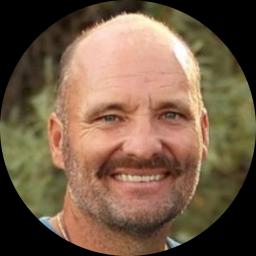
About Sean
He focuses on helping people untangle patterns that keep them feeling stuck. Sessions tend to center on concrete steps and honest conversation. He pays attention to how past losses and attachment wounds shape current relationships and choices.
His approach is collaborative and goal-oriented. He listens for what matters most and helps set short-term, doable goals that fit into everyday life. For someone juggling work, family expectations, and identity questions, he tries to keep interventions down-to-earth and relevant.
Sean brings ten years of clinical experience to his practice and holds the LCSW credential, which stands for Licensed Clinical Social Worker. He works with people facing chronic illness, chronic pain, and the fallout of separation or divorce, offering support for grief, shame, and shifting life roles.
Sessions are offered in English and Spanish. People often come for help with panic, obsessive or compulsive behaviors, post-traumatic stress, and other stress-related struggles. He aims to create a judgment-free space where people can talk through problems and take steps forward.
Areas of expertise
Primary focus
Additional focus areas
Experience
10+ years
Credentials
Utah
Languages
English, Spanish
How evidence-based techniques translate to online therapy
Many therapists use evidence-based therapeutic techniques that focus on changing unhelpful thoughts and behaviors and on improving relationships. Cognitive-behavioral approaches help people identify and shift thought patterns that feed anxiety or depression and teach practical coping skills for panic, obsessions, and low mood. Approaches that attend to attachment and abandonment concerns look at how early losses and relationship patterns affect current reactions and help people build clearer communication and boundaries.Finding the right method is part of the work. The therapist will collaborate with each person to pick approaches that match their goals and preferences, and then adjust as those goals change. That means trying short-term strategies, reviewing what helps, and shifting focus when needed so therapy feels useful.
If you are considering online therapy, confirm the current session options before booking since formats are not specified here. Many people find online sessions helpful because they make it easier to fit care into a busy week, allow quicker follow-up between appointments, and let check-ins happen without travel. Others choose options that reduce screen time or use brief phone check-ins for faster touchpoints. Talk with the therapist during scheduling about what will work best for your routine and needs.
Frequently asked questions
What kinds of problems does this therapist address?
He helps people facing stress, anxiety, depression, addictions, relationship struggles, and low self-esteem, plus related issues like chronic pain and post-traumatic stress.
What is his general therapy style?
Sessions are collaborative and down-to-earth, focusing on clear goals and practical steps that fit into daily life.
How much clinical experience does he have?
He has ten years of experience working with adults on a wide range of concerns including trauma, addiction, and men’s issues.
What credentials and location apply to this therapist?
He holds an LCSW, which is a Licensed Clinical Social Worker, and practices in Utah.
Which languages are supported for sessions?
Sessions are offered in English and Spanish.
Can people outside the United States work with him?
He is not accepting international clients at this time and works with people located within the region where he is licensed.
How are fees and subscriptions handled?
Cost varies by location and therapist availability; sessions use a subscription that can be canceled at any time.
How do I begin if I want to try therapy with him?
Use the Start Therapy button, complete a short matching questionnaire, and then schedule according to the therapist’s availability.