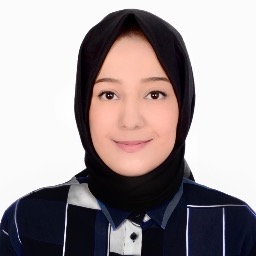
- Attachment informed
- BACP registered
- English and Turkish
About Seyma
She aims to create a calm, straightforward space where clients can talk about what matters most. Sessions focus on understanding patterns in relationships, practical ways to cope day to day, and building small changes that feel manageable. Seyma listens for the values and goals that guide each person and works to make therapy relevant to everyday life.
Her background includes a Master of Science degree in Mental Health Counselling and a Bachelor of Arts in Psychology. She has practised in the United Kingdom after moving from the United States and has experience offering one-to-one therapy, group work and community-based activities.
Seyma draws on several approaches when tailoring therapy. Cognitive behavioural techniques help with thought and behaviour patterns, while emotionally-focused and existential ideas are used when exploring relationships and life meaning. Mindfulness and motivational strategies are brought in when they fit a client's needs.
She offers therapy in English and Turkish and accepts international clients. Prospective clients are invited to use the site’s Start Therapy process to complete a short matching questionnaire and arrange sessions according to the therapist’s schedule.
Areas of expertise
Primary focus
Also works with
Additional focus areas
Therapeutic approaches
Experience
5+ years
Credentials
BACP · United Kingdom
Languages
English, Turkish
How her approaches translate to online therapy
Attachment-based work looks at patterns in close relationships and helps people name and change how they relate to others; it can be useful for intimacy, abandonment and attachment issues. Client-centred therapy offers a calm, non-judgemental space where the therapist follows the client’s lead to clarify values and goals. Cognitive behavioural therapy (CBT) focuses on identifying unhelpful thoughts and testing small behaviour changes to reduce anxiety and improve mood.Choosing the right approach is part of the therapeutic process. Seyma works collaboratively to decide which methods fit a person’s needs and goals. Early sessions are used to agree on priorities and practical steps, and the plan can be adjusted as therapy progresses.
The original profile lists online counselling and telephone counselling alongside face-to-face work, but session formats can vary over time, so confirm current options before booking. Online therapy can make it easier to fit sessions into a busy week, reduce travel time, and allow shorter check-ins when needed. It also makes it possible to continue work while living abroad, since she accepts international clients.
Frequently asked questions
What kinds of problems can Seyma help with?
She works with stress, anxiety, depression and relationship or family issues, and also supports people facing grief, addiction concerns, chronic illness and other life changes.
How would you describe her therapy style?
Her approach is collaborative and practical, combining attachment-based and client-centred methods with cognitive behavioural and emotionally-focused ideas to address thoughts, feelings and relationship patterns.
What professional background does she have?
She holds an MSc in Mental Health Counselling, a BA in Psychology, and has five years of clinical experience working in individual and group settings.
Where is Seyma based and how is she registered?
She practises in the United Kingdom and is a registered member of the British Association of Counsellors and Psychotherapists (BACP).
Which languages are offered for sessions?
Sessions are offered in English and Turkish, and she accepts international clients.
What session formats are available?
The original profile notes face-to-face work, online counselling and telephone counselling; please confirm current session options with the therapist before booking.
How are sessions priced?
Cost varies with location and therapist arrangements; sessions use a subscription that can be cancelled at any time.
How do I begin if I want to work with her?
Use the Start Therapy button, complete a short matching questionnaire, and then schedule sessions according to the therapist’s availability.