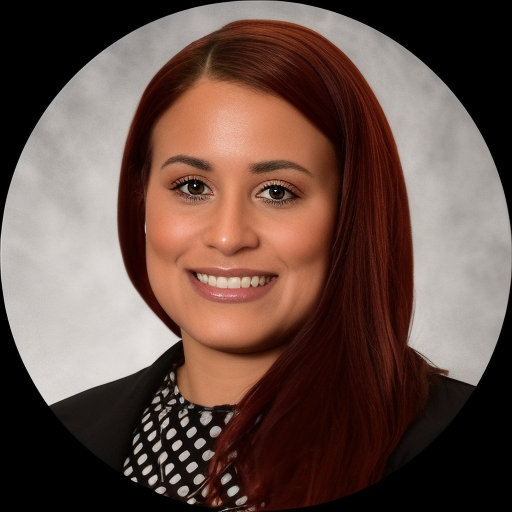
- Stress and anxiety
- Trauma and grief
- English and Spanish
About Shalin
She uses client-centered work to make space for each person's experience and to build trust in the room. Cognitive Behavioral Therapy (CBT) is used to identify unhelpful thinking and to practice new, more helpful behaviors. For people affected by trauma, elements of Eye Movement Desensitization and Reprocessing (EMDR) may be included when appropriate.
Shalin also brings emotionally focused techniques to help with attachment and relationship concerns, and she draws on tools from the Gottman Method for communication work. Her practice addresses a wide range of concerns beyond common mood struggles, including chronic illness and pain, caregiver stress, body image and eating issues, substance-related problems, and adjustment after separation or loss.
She has five years of professional experience and works with adults in Florida. Sessions are offered in English and Spanish, and she does not accept international clients. The LMHC credential indicates licensure as a mental health counselor.
To begin, a person uses the Start Therapy button, completes a short matching questionnaire, and schedules according to therapist availability. Costs vary with location and use a subscription that can be canceled at any time.
Areas of expertise
Additional focus areas
Therapeutic approaches
Experience
5+ years
Credentials
Florida
Languages
English, Spanish
How therapeutic approaches shape online care
Client-Centered Therapy focuses on listening and reflecting so the person feels understood and seen; it helps people clarify what matters most and build trust in the work. Cognitive Behavioral Therapy, or CBT, looks at how thoughts and actions affect feelings and teaches practical skills to change unhelpful patterns, which can help with anxiety, depression, and stress. Emotionally-Focused Therapy helps people understand and shift emotional responses in close relationships and can be useful for attachment and communication concerns.Finding the right approach is part of the process. The therapist will work together with the person to choose methods that match their goals, needs, and comfort level. That choice can change over time as progress and priorities evolve.
If you are considering online therapy, confirm the current session options before booking since formats were not specified in the profile. Online work can make it easier to fit sessions into a busy week, reduce travel time, and allow for shorter check-ins when days are tight. It can also let someone keep a consistent schedule during medical treatment or caregiving demands. Licensed professionals can adapt these approaches for remote work and will help plan sessions that match each person's routine and goals.
Frequently asked questions
What kinds of concerns does she help with?
She works with stress, anxiety, depression, trauma and abuse, and self-esteem problems, plus related issues such as chronic illness, caregiver stress, body image, and substance-related concerns.
What is her therapy style like?
The approach is collaborative and straightforward, mixing client-centered listening with practical skills from Cognitive Behavioral Therapy and other methods to address thoughts and behavior.
How much clinical experience does she have?
She brings five years of professional experience working with adults on mood, stress, trauma, and life transitions.
What are her credentials and where does she practice?
She holds the LMHC credential and practices in Florida as a licensed mental health counselor.
Which languages are supported for sessions?
Sessions are offered in English and Spanish.
Can people from other countries work with her?
She does not accept international clients at this time.
How are sessions priced?
Costs vary by location and therapist availability; sessions use a subscription model that can be canceled at any time.
What are the first steps to start therapy?
Click the Start Therapy button, complete a short matching questionnaire, and then schedule sessions based on the therapist's availability.