- Evidence-based care
- Focus on relationships
- Health and aging concerns
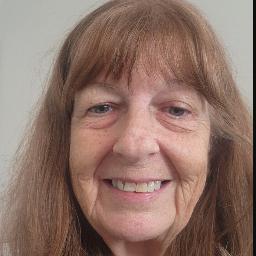
About Susan
She commonly supports people dealing with chronic health problems, caregiver stress, and midlife transitions. Her approach pays attention to how attachment and communication shape daily life. That means conversations focus on what actually gets in the way of feeling close, steady, or emotionally safe.
Sessions include talk and focused exercises aimed at improving coping skills, mood, and relationships. She pays attention to life stage concerns such as aging, postpartum changes, and shifts in family roles. The goal is to help people find clearer ways to manage stress and chronic pain without overwhelming medical language.
Susan draws on evidence-based therapeutic techniques to guide recovery from post-traumatic stress, sexual assault, and other trauma. She also works with people sorting out family of origin issues, infidelity, and communication breakdowns. In every case, she emphasizes steady progress rather than quick fixes.
Her practice centers on listening, thoughtful questions, and collaborative planning. People who want practical strategies and compassionate support often find this approach useful for rebuilding resilience and getting unstuck.
Areas of expertise
Primary focus
Additional focus areas
Experience
31+ years
Credentials
California
Languages
English
Evidence-based approaches and online care
Susan uses evidence-based therapeutic techniques that focus on improving mood and relationships. One common approach emphasizes understanding attachment and communication patterns to help people repair relationships and feel more connected. This method looks at how past connections shape present reactions and then practices new ways of relating to others.Another common focus is trauma-informed work that helps people process distressing experiences and reduce ongoing stress. This type of work combines talking through memories with grounding and coping strategies to lower emotional intensity and improve daily functioning.
Finding the right approach is a collaborative process. The therapist and client decide together which techniques fit the client's needs, goals, and preferences. Adjustments are made over time so the work stays relevant to changing circumstances and recovery goals.
Confirm current session formats before booking since specific formats are not listed in the biography. Online therapy can make scheduling easier and help sessions fit into busy lives, such as fitting a check-in during a break or avoiding travel time. It also lets people continue care while managing chronic health concerns or caregiver duties without promising any particular session type.
Frequently asked questions
What concerns does she commonly help with?
Susan works with stress, anxiety, depression, grief, relationship issues, and recovery from trauma and abuse. She also focuses on caregiver stress, chronic illness and disability, and aging-related concerns.
What is her general therapeutic style?
The approach is practical and collaborative, using evidence-based techniques to improve coping, communication, and emotional regulation. Sessions combine talk with targeted exercises to build skills people can use between visits.
How long has she been practicing?
She brings 31 years of clinical experience in California, drawing on long-term practice to guide people through complex life changes and trauma recovery.
What credentials and location are listed?
She is a California Licensed Marriage and Family Therapist, listed as LMFT, and her practice is based in California.
Which languages are available for sessions?
Sessions are offered in English only.
Can international clients work with her?
She does not accept international clients at this time, and works with people located in California.
How are fees and billing handled?
Cost varies with location and therapist availability and sessions use a subscription that can be canceled at any time. Confirm current fees before scheduling.
How do I begin a therapy match?
To start, select the Start Therapy button, complete the short matching questionnaire, and schedule according to therapist availability.